KMRA Tasting Club: A Pop-up Experience That Refuses to Repeat
Each dinner is shaped by its own conditions and creative direction. The approach adapts to those variables while maintaining clarity across stills and motion.
An Experience Built to Change
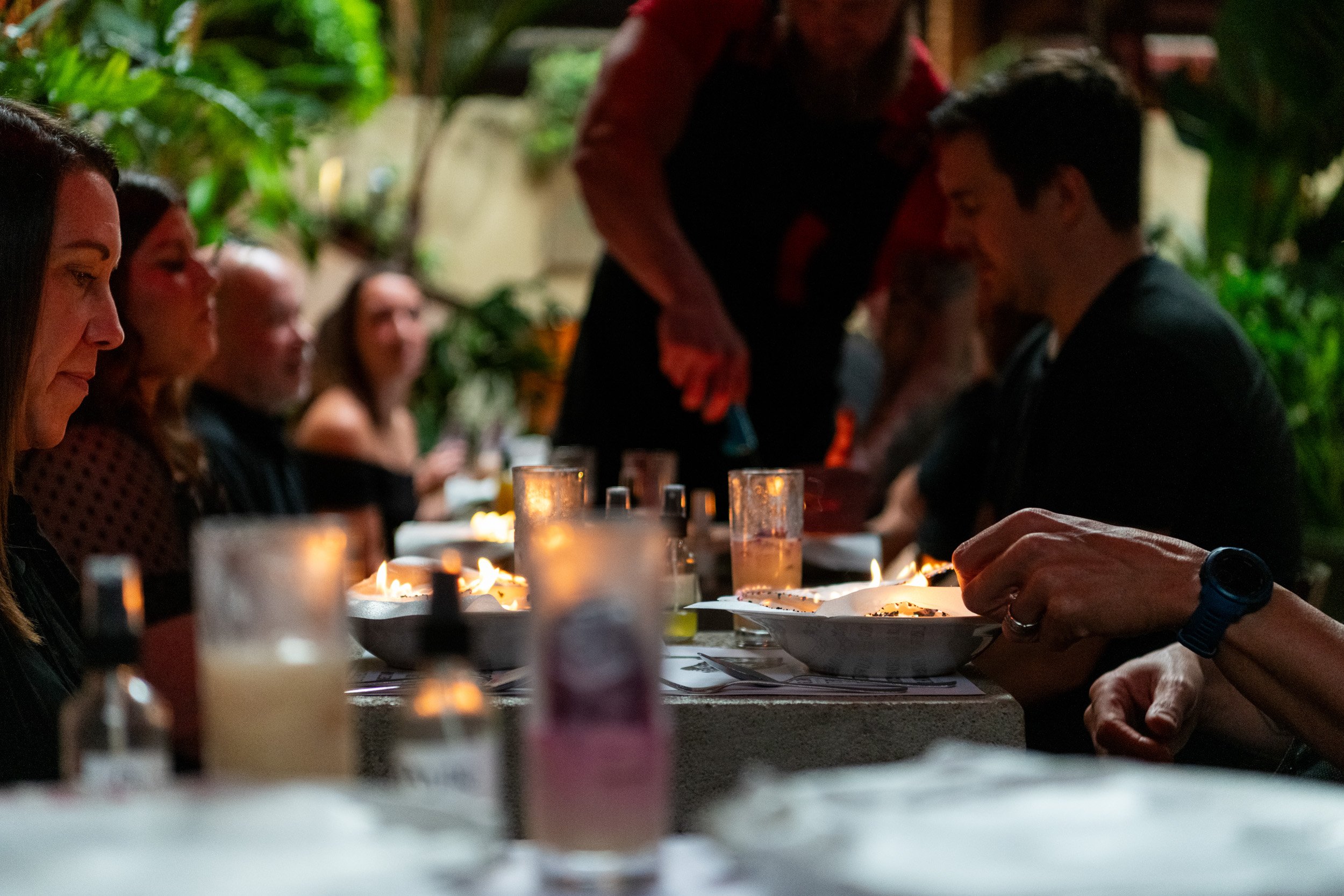
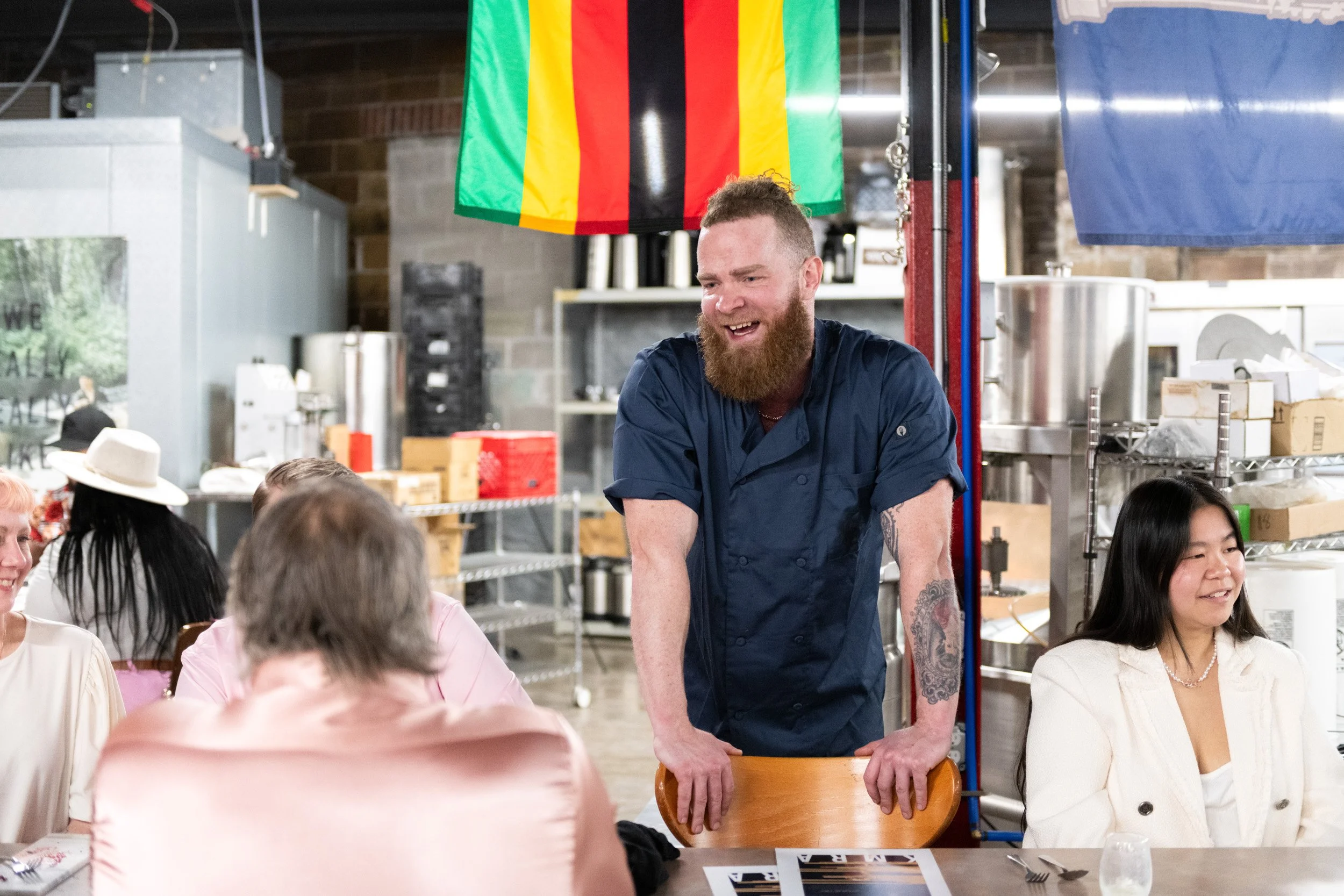
KMRA Tasting Club does not operate like a typical restaurant. There is no permanent space, no repeatable layout, and no menu designed to stay the same. Each dinner is built from the ground up, shaped by the environment, the ingredients, and the direction of Chef Forrest Wright. That variability is the point. Every event is structured around a distinct creative approach, with the pacing, environment, and menu designed specifically for that night. No two dinners are the same.
Guests are not simply being served. They are watching something take shape in real time. The experience is defined as much by process and interaction as it is by the final plate, which creates a different set of demands for how it needs to be captured across both stills and motion. During service, there is no time to stop and direct what happens. The kitchen is moving, the room is shifting, and attention is focused on execution. Stopping to explain what to capture or how to capture it breaks the flow of the evening.
To work in that environment requires understanding the structure of the night, anticipating key moments, and recognizing what matters without being told. The goal is not just to document what happens, but to move within the experience without interrupting it, capturing it with clarity while it unfolds.
Where Consistency Typically Breaks Down
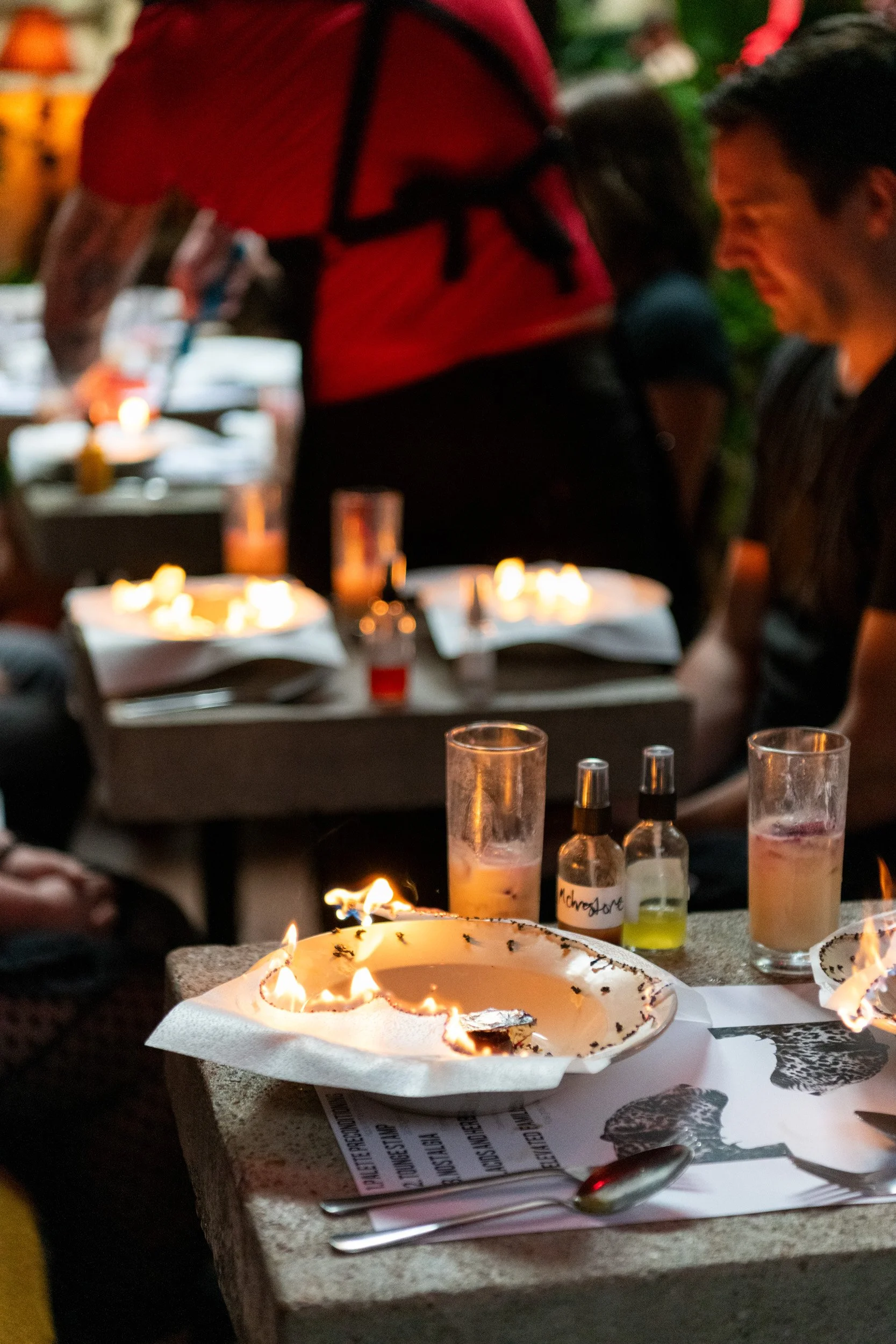
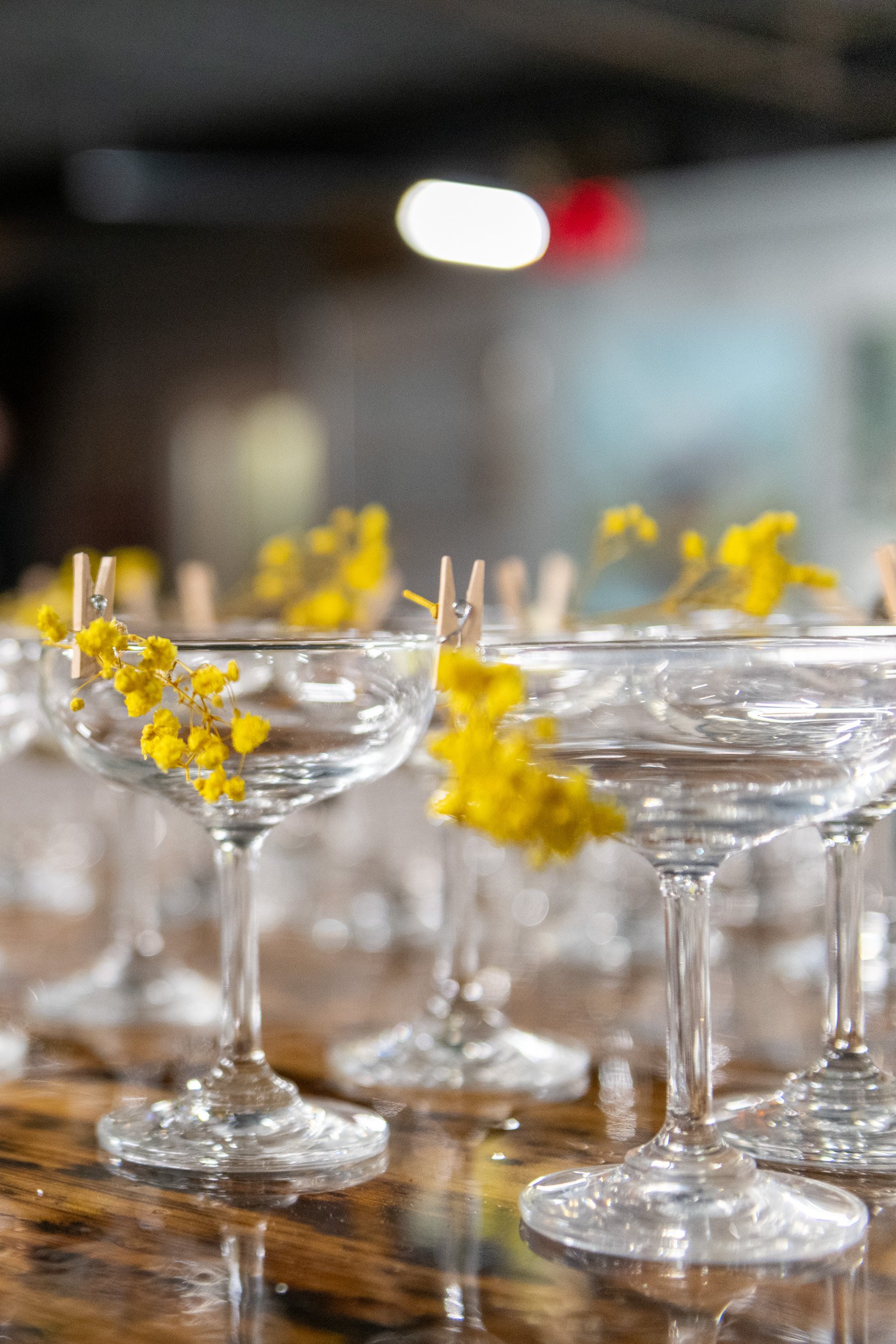
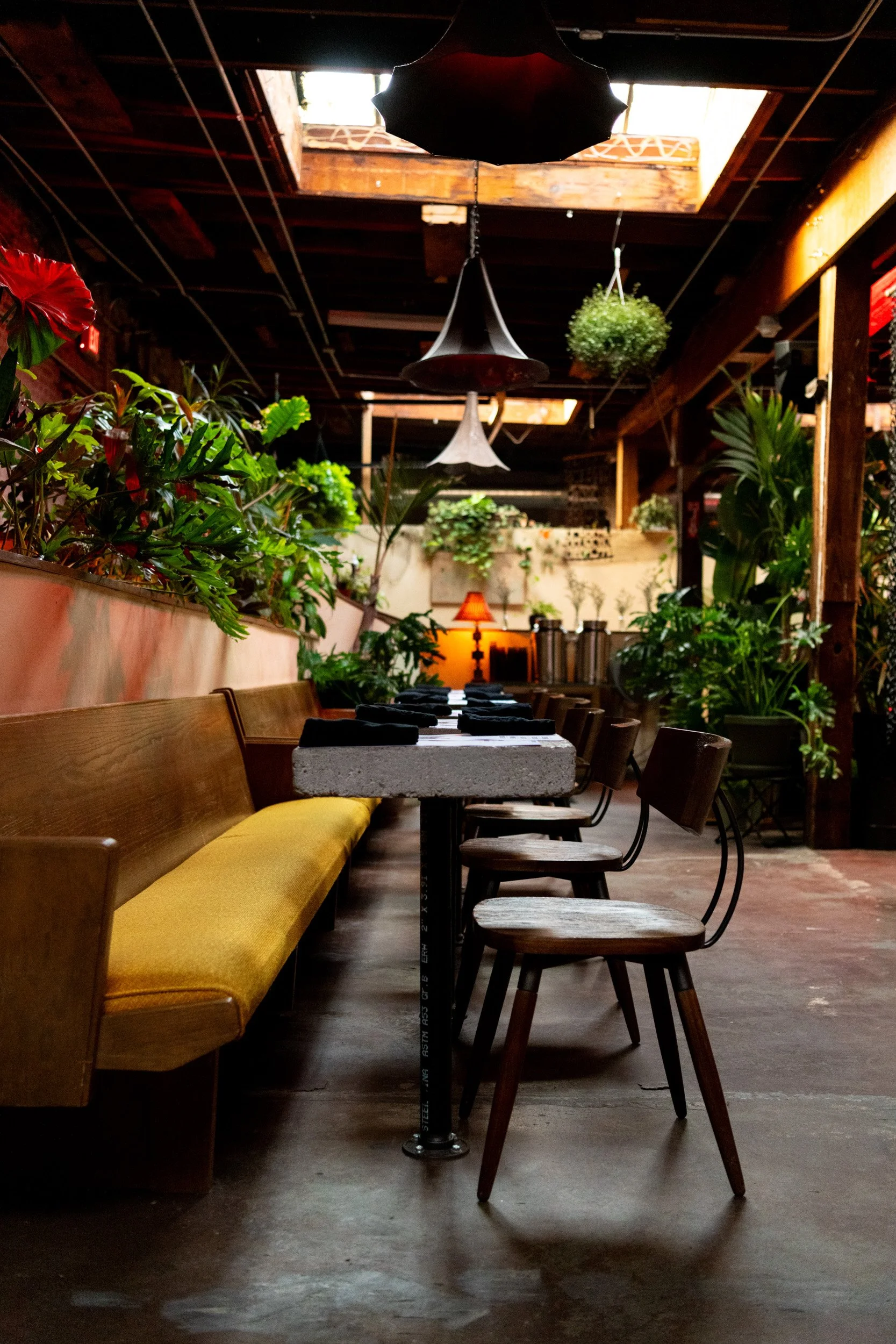
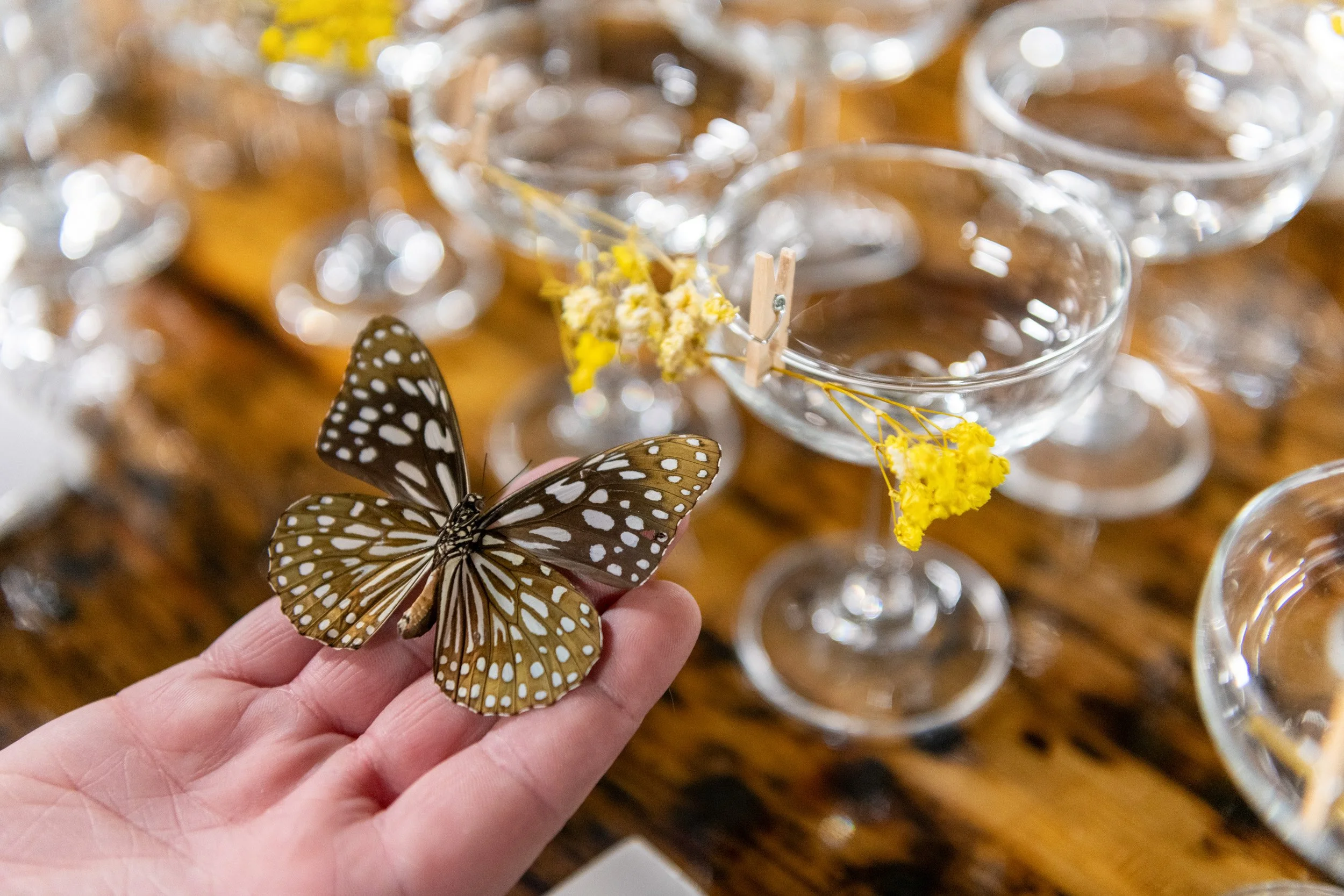
Each KMRA dinner operates under a different set of conditions. The space changes, the lighting shifts, and the menu is developed specifically for that moment. No two environments behave the same, and no two services unfold in exactly the same way.
Capturing a single dinner is not the problem. The challenge is what happens over time. As images from different nights are brought together, those differences begin to compound. Without a clear approach, the result is a collection of strong individual moments that do not connect to each other.
The difficulty is not responding to variation in the moment. It is maintaining coherence across something designed to evolve. That means making consistent decisions about what to prioritize, how to frame it, and how to capture it, even as the conditions continue to change.
The goal is not just to document each dinner accurately, but to build a set of visuals that holds together over time.. The images need to feel connected, even when the environments, lighting, and creative direction are completely different.
Operating Within the Flow of the Evening
Clarity begins well before the event itself. Each dinner is planned in conversation with Chef Forrest Wright, aligning on what the visuals need to accomplish, what the environment will be, and how the night is expected to unfold. That understanding informs every decision that follows, from the equipment brought in to how the space is used once on site.
On arrival, the first priority is mapping the environment. The dining room, the kitchen, and whatever space is available for hero frames are assessed. That space is never controlled. Sometimes it is a large open room, other times a confined corner. The setup adapts accordingly. Lighting, grip, and layout are built around what is available, while maintaining a consistent visual standard across events.
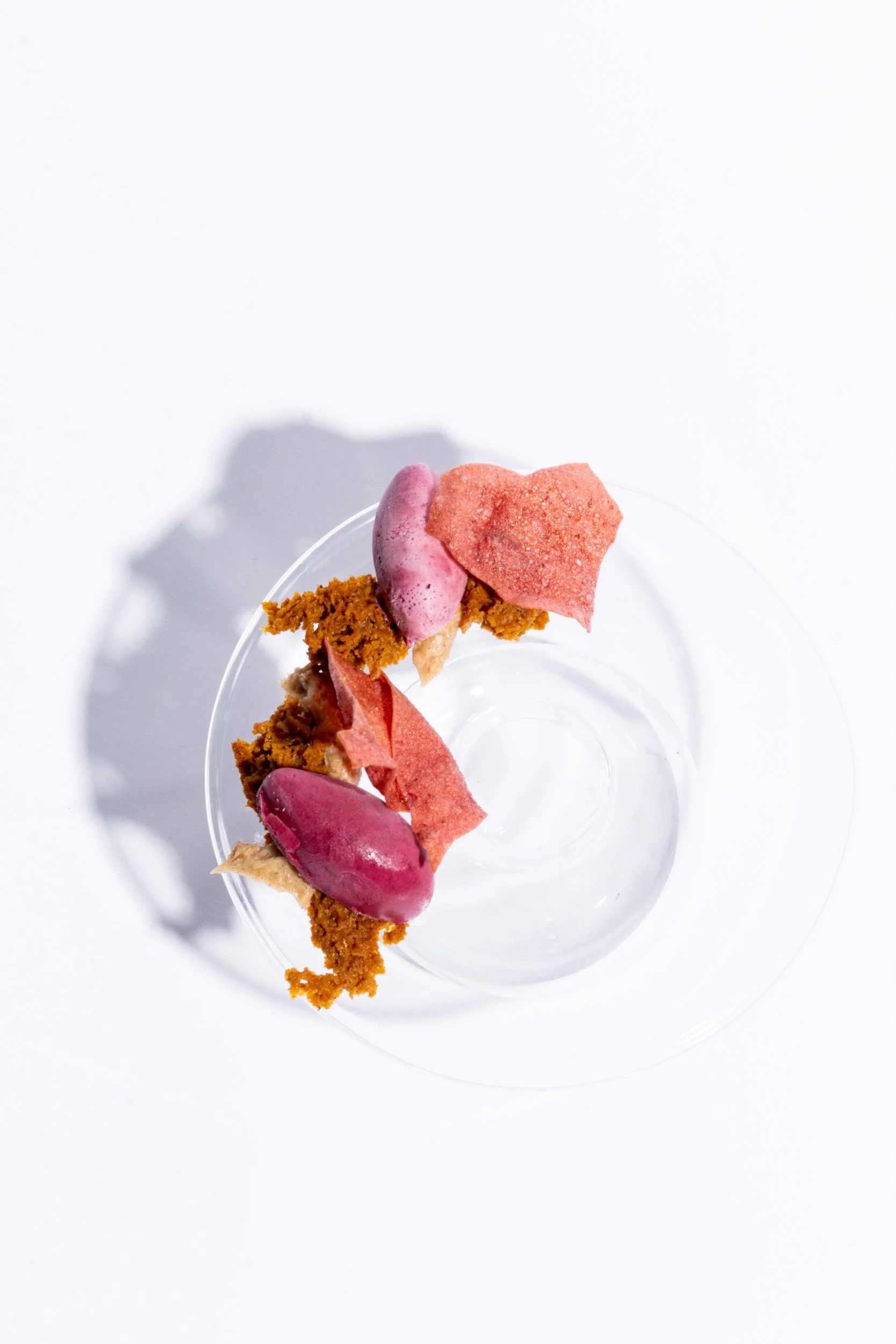
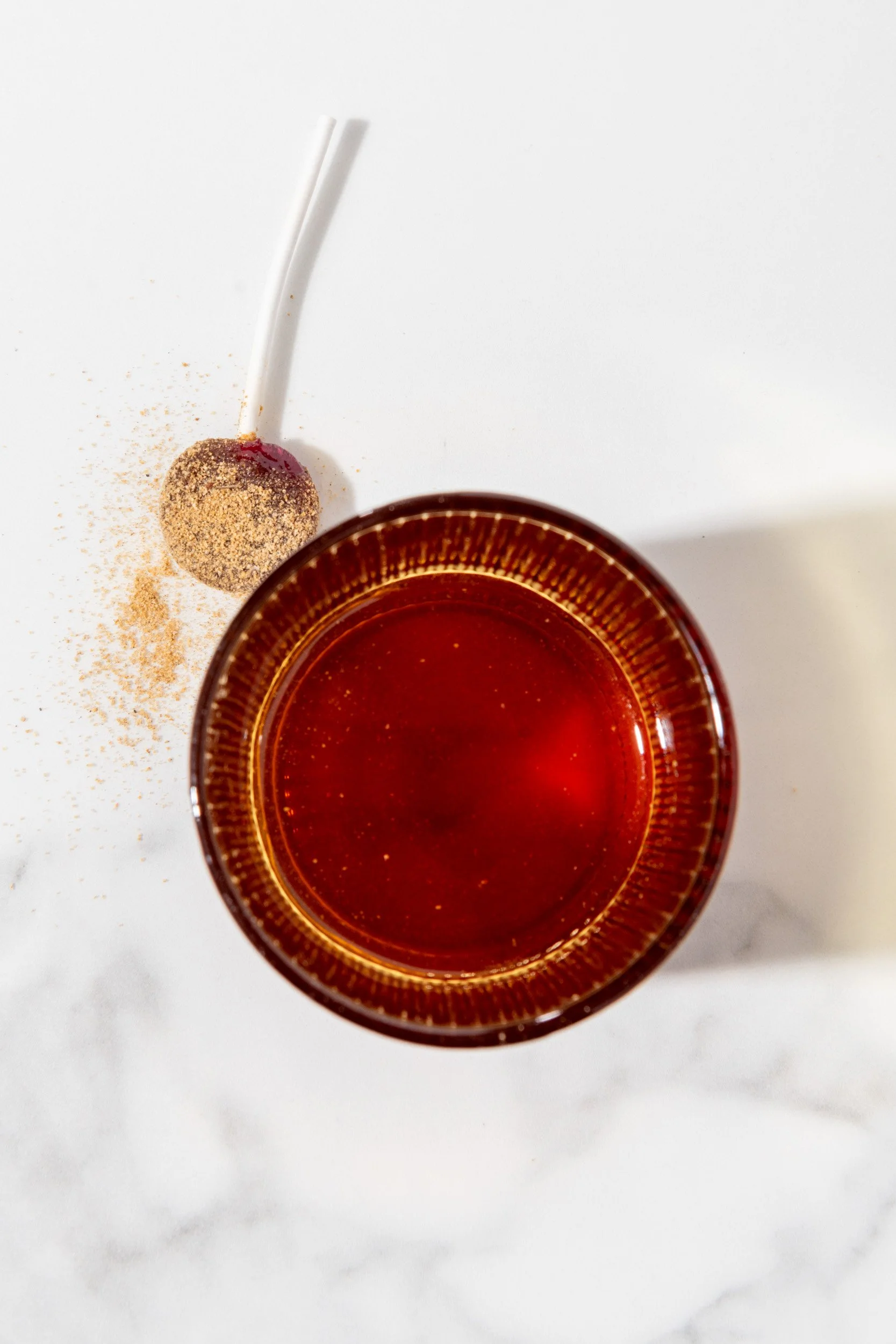
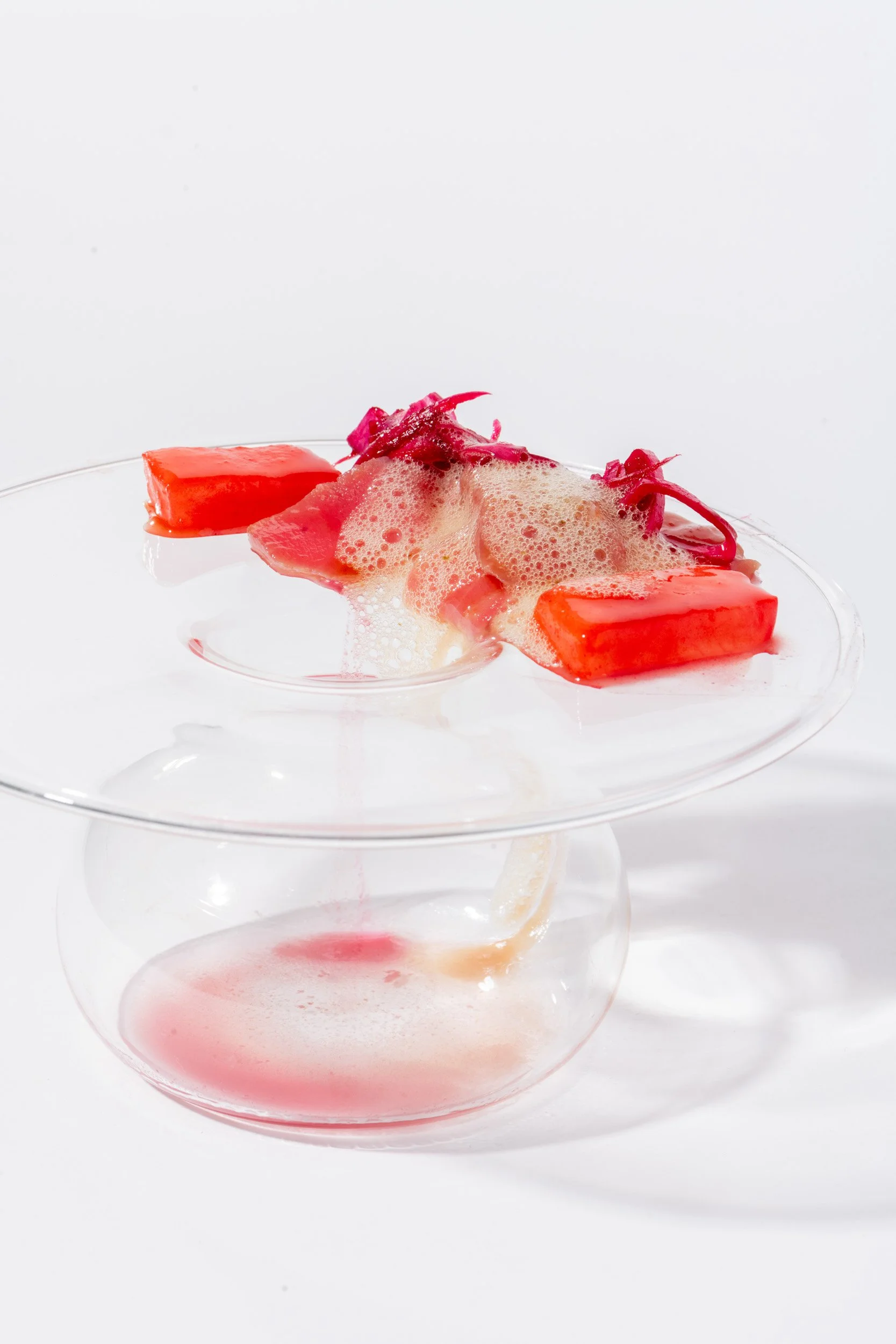
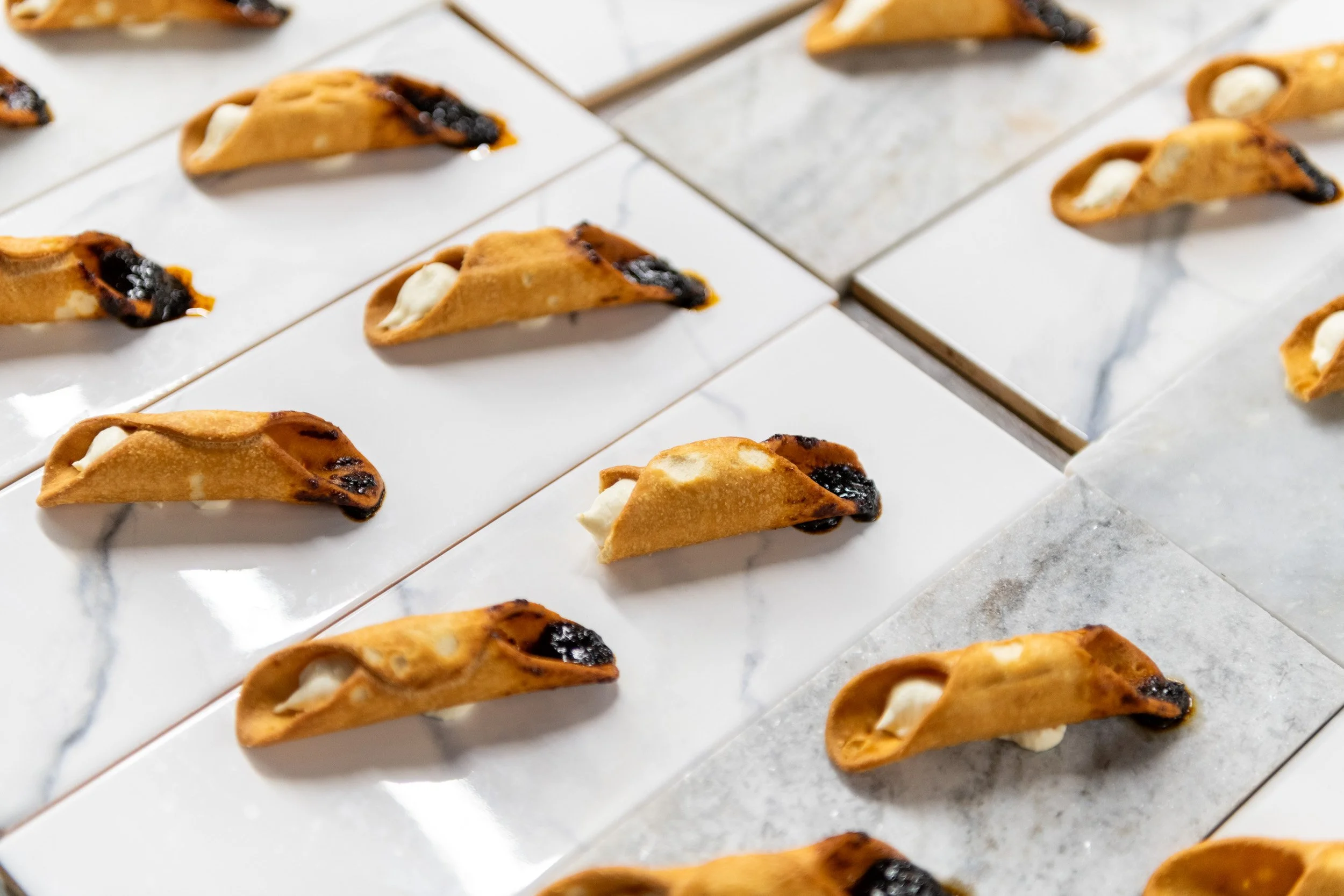
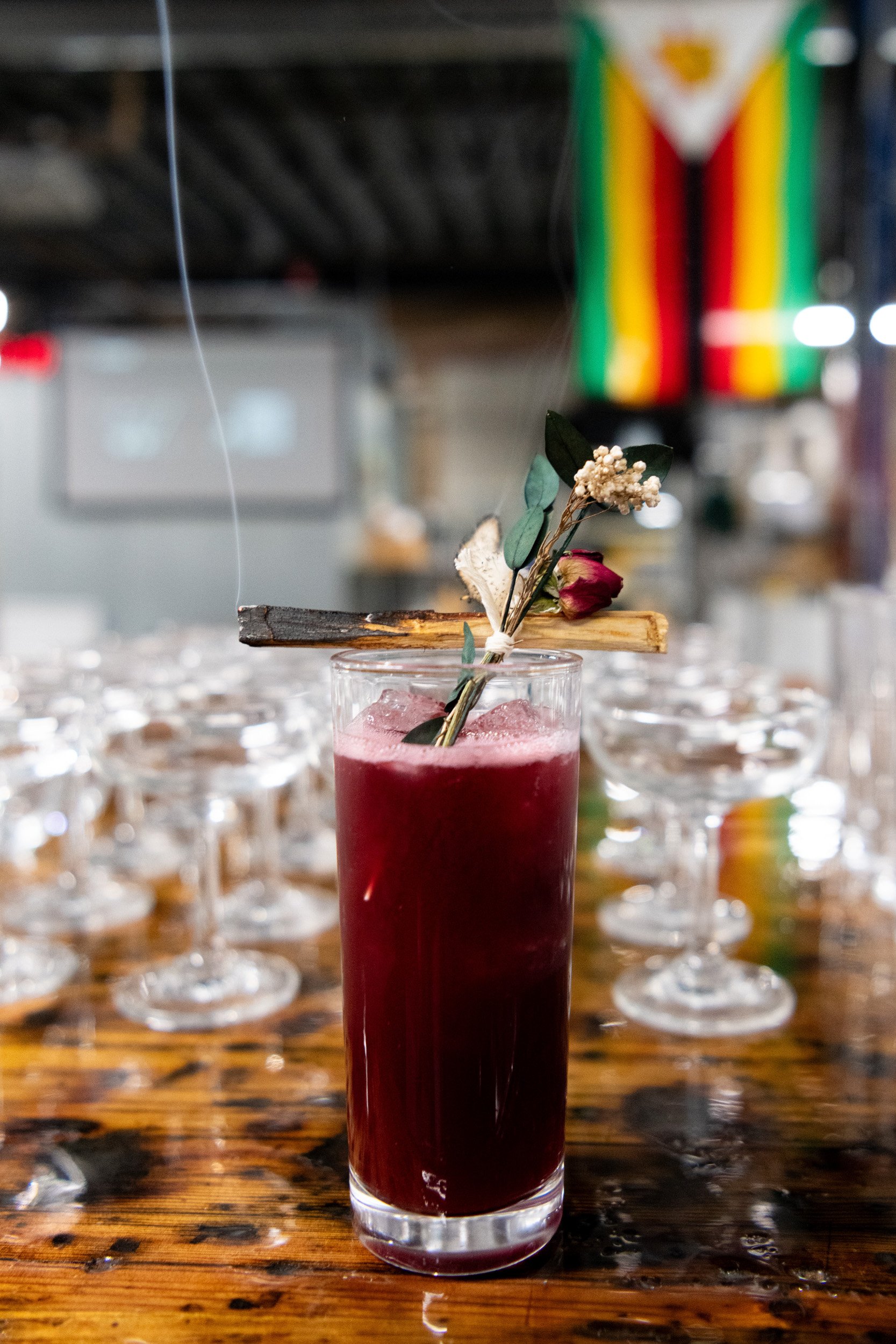
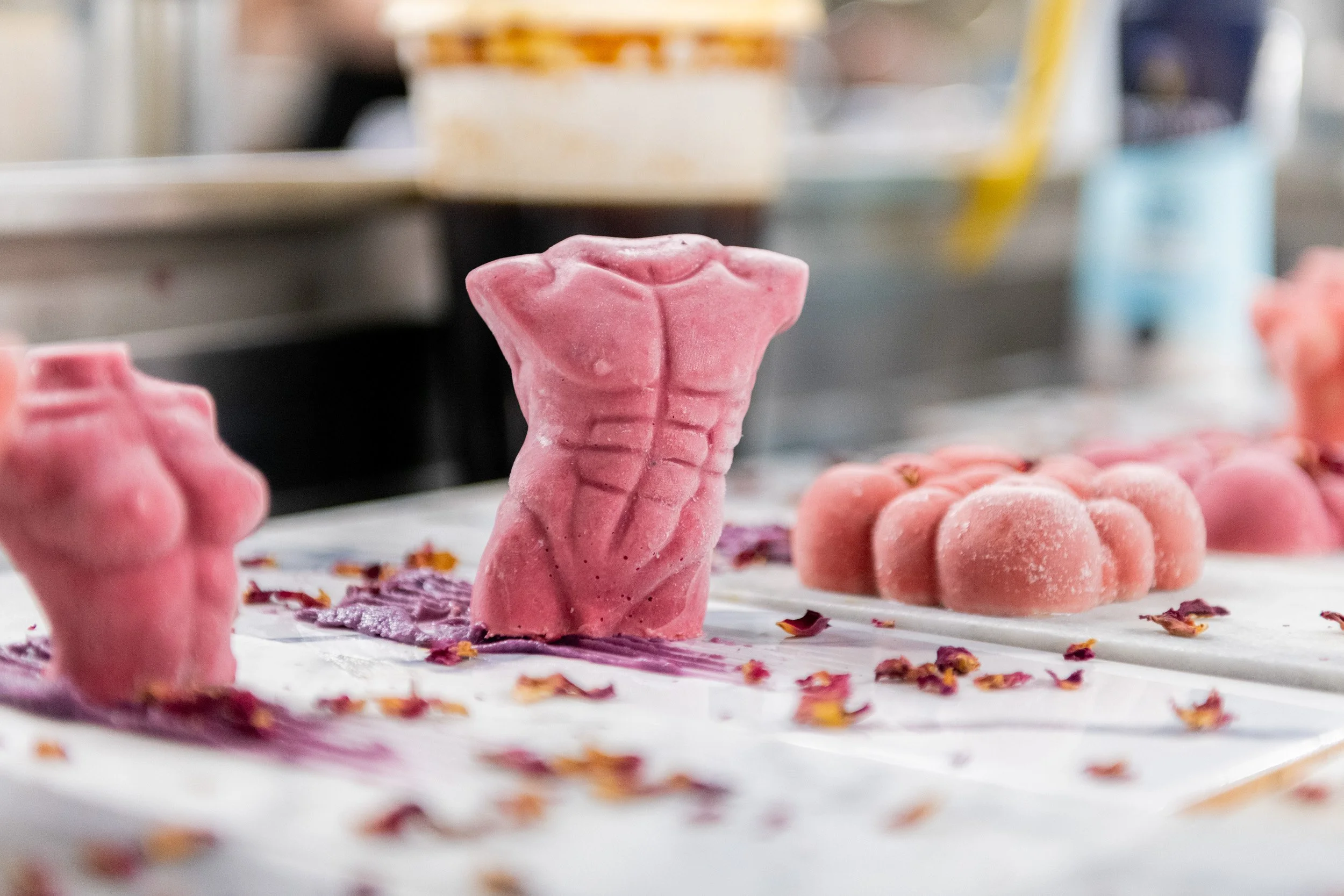
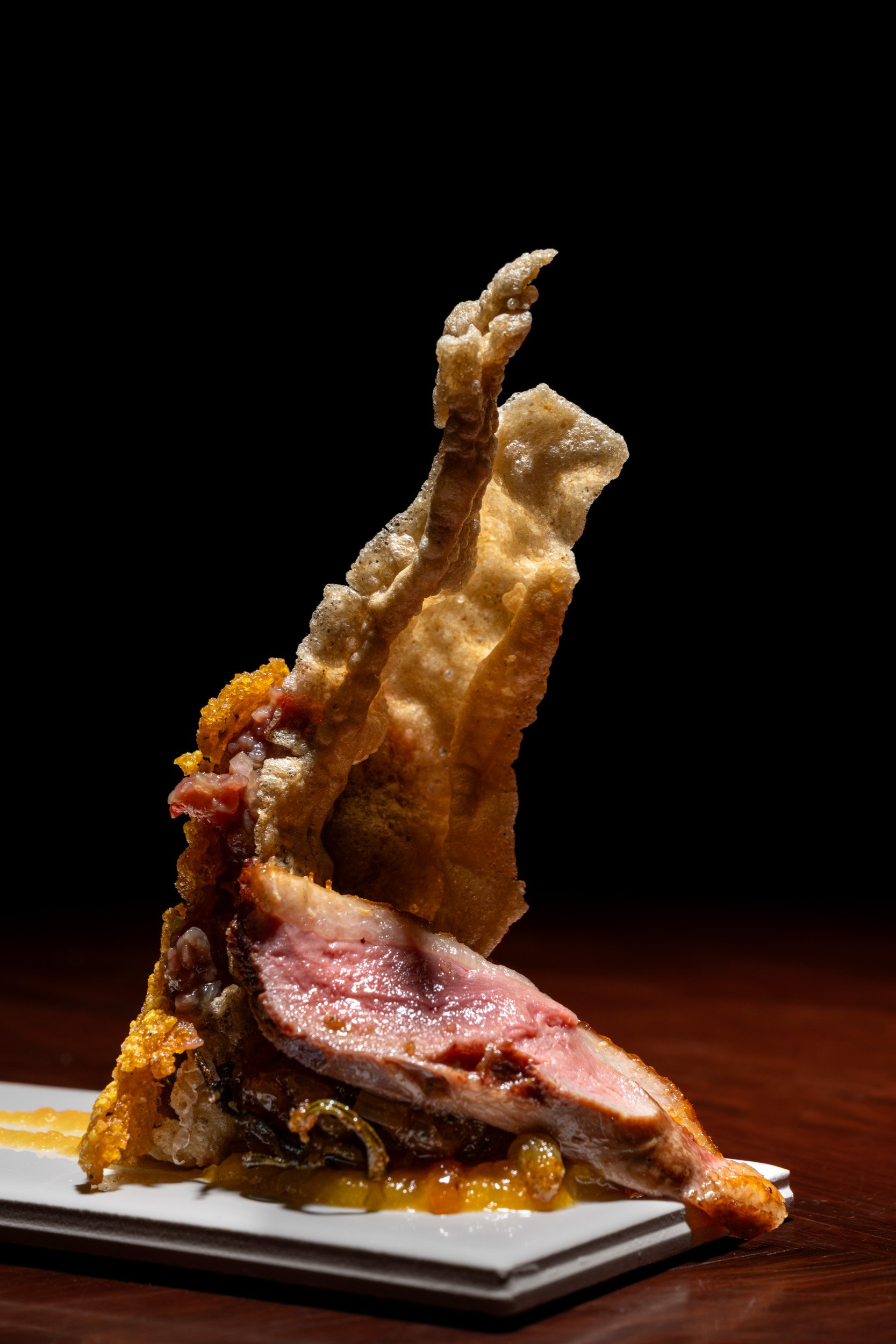
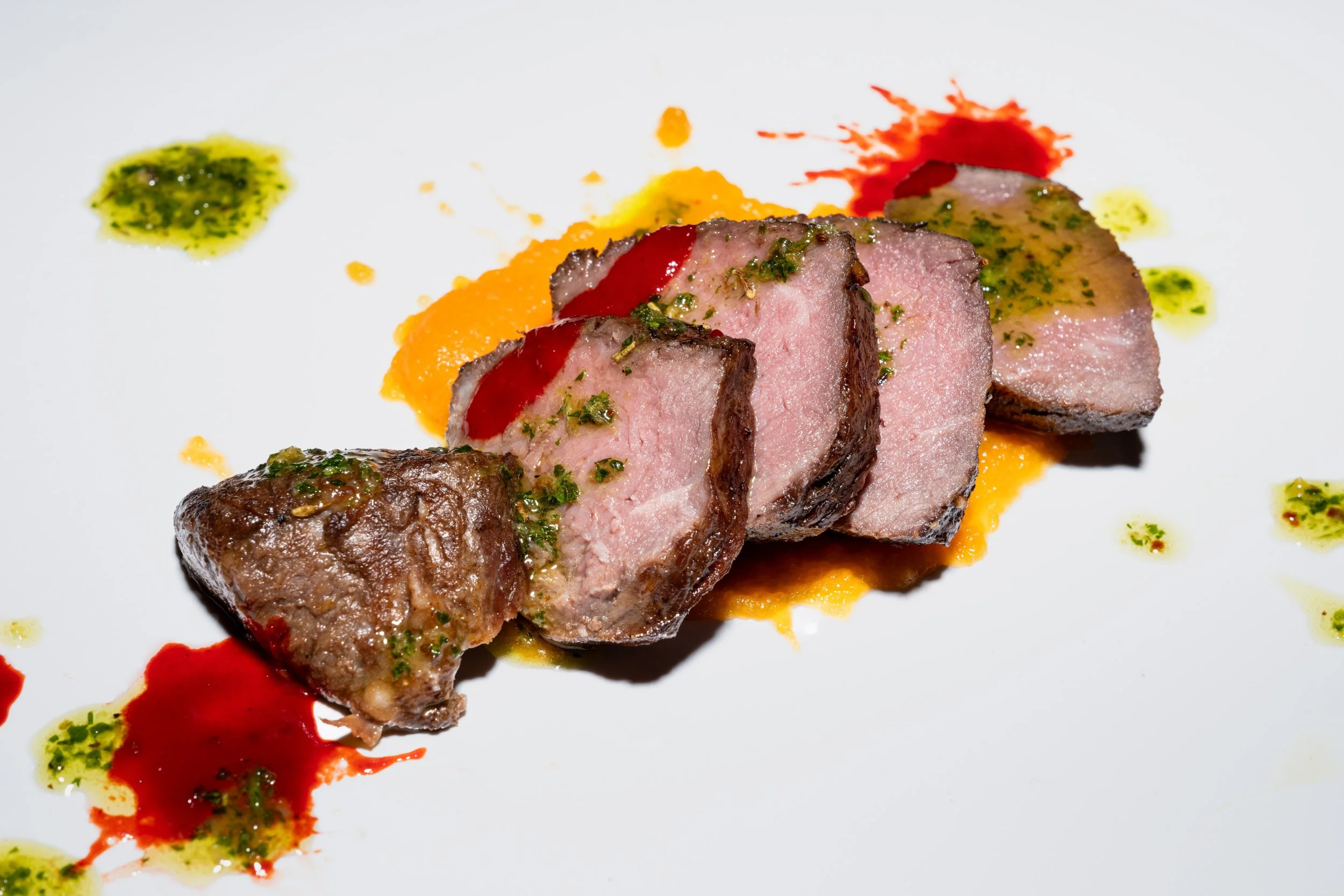
The hero setup is established before service begins. Once the night starts, there is no time to adjust. The goal is to create clean, controlled frames of the food that can serve as anchors within the larger body of visuals. Light is always intentional, with an emphasis on shape, texture, and clarity, regardless of surrounding conditions.
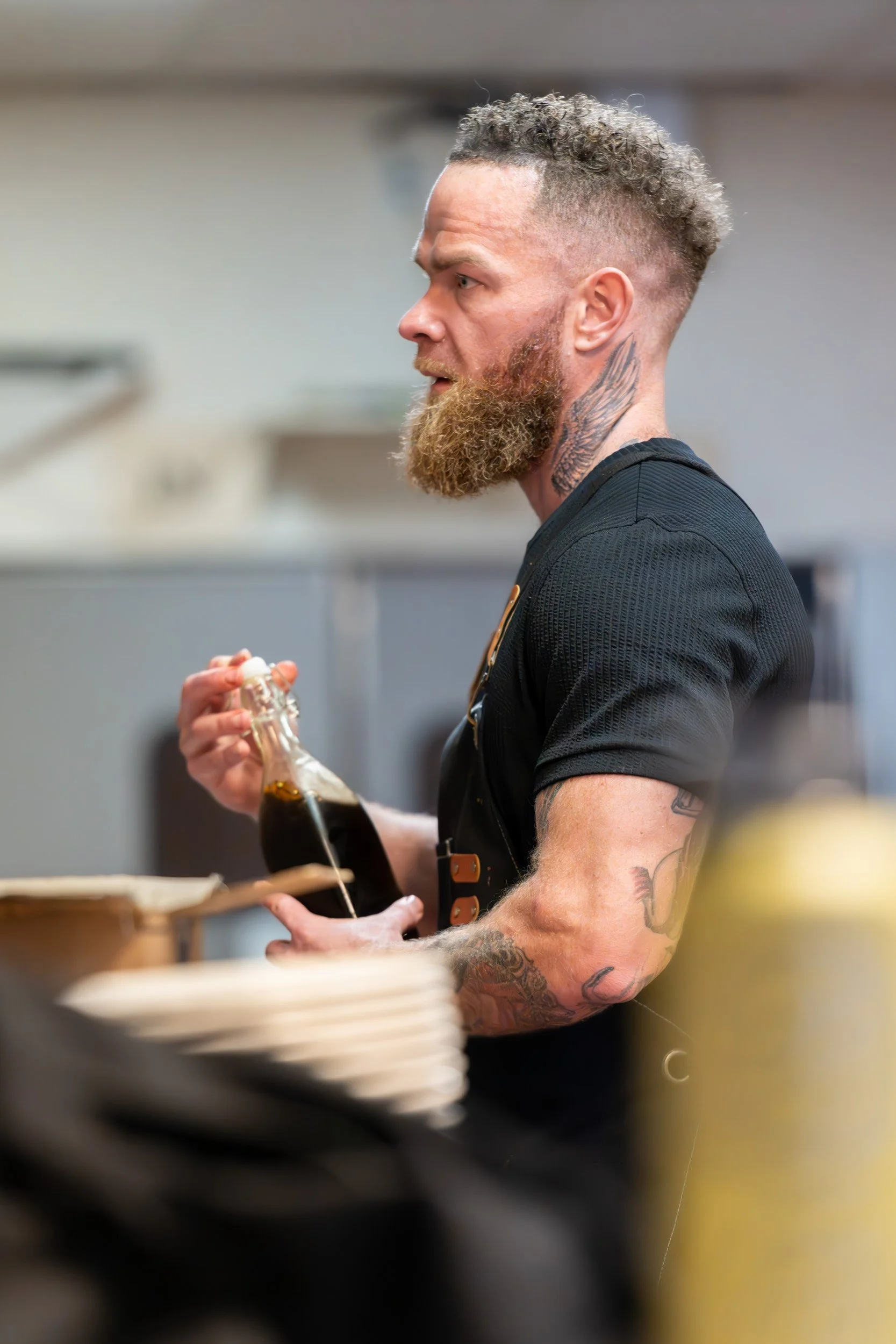
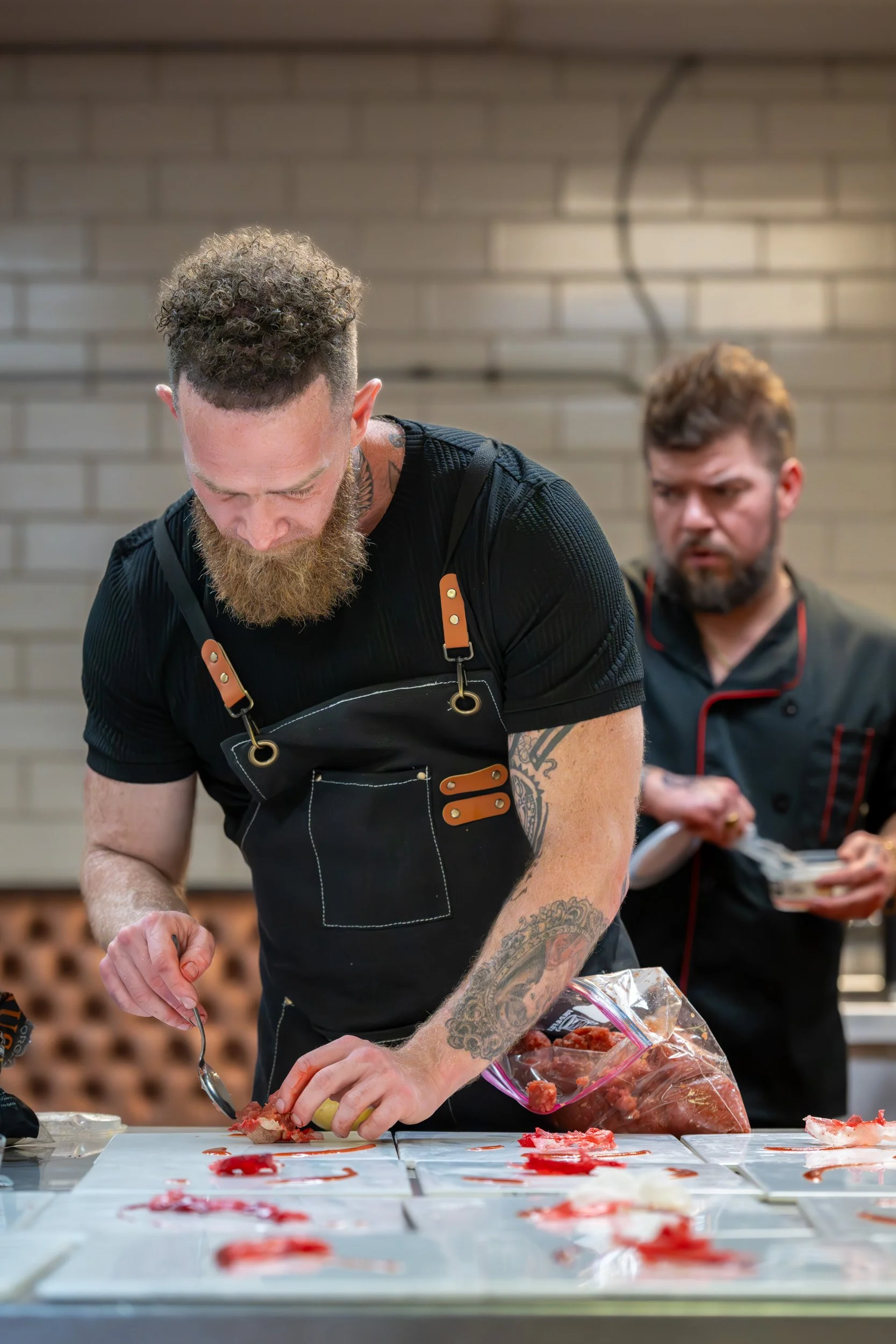
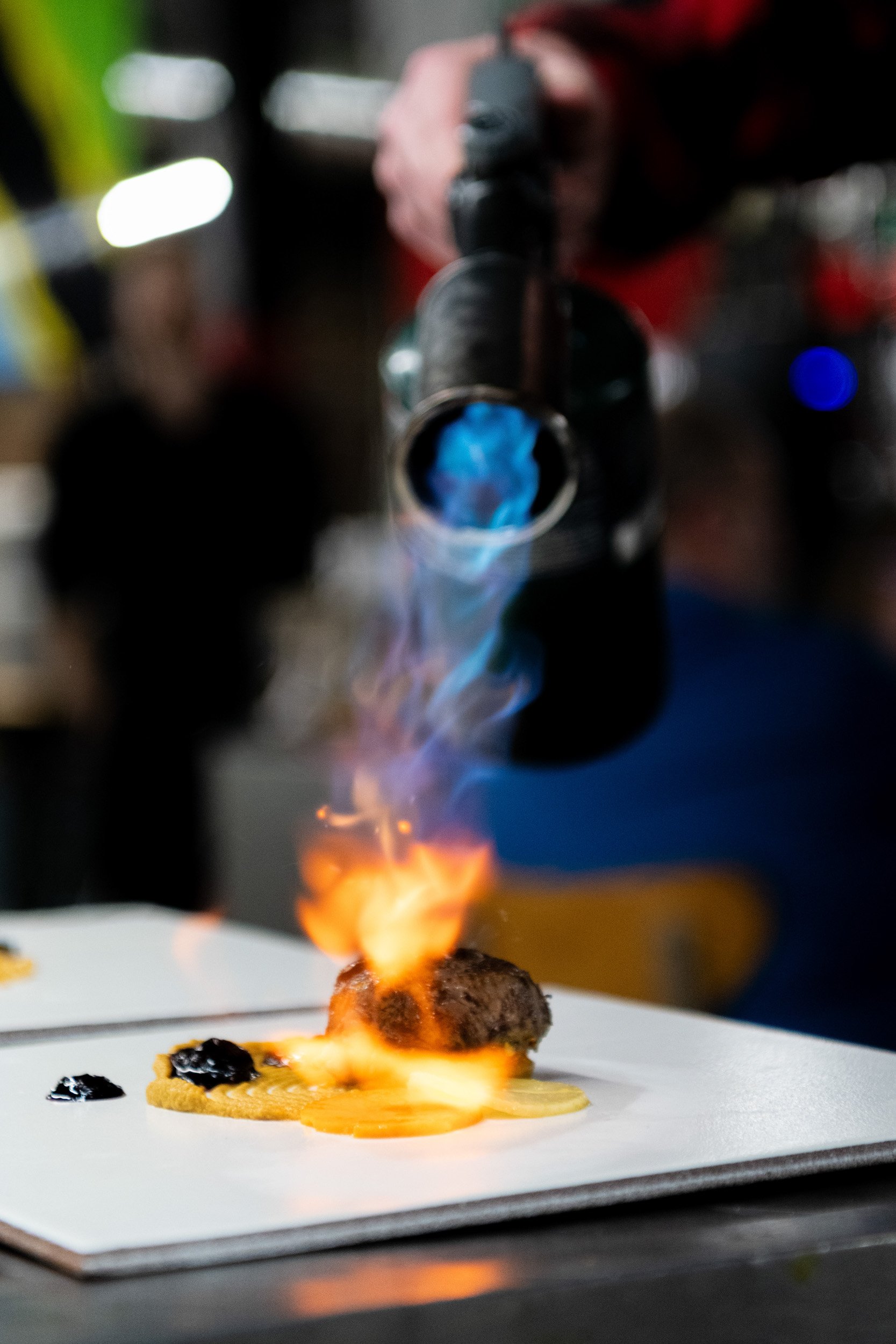
From there, coverage shifts into movement. The night is not directed. It is followed. Movement between the kitchen, the dining room, and the hero setup is dictated by where the action is happening. When guests are engaged with a course, attention shifts to preparation in the kitchen. When dishes are ready, they move through the hero setup. The flow of the evening determines coverage.
Maintaining consistency requires a disciplined approach to multiple modes of capture. Available light, strobe, and video are used within the same event, often in rapid succession. The goal is not to keep up with the night. It is to stay aligned with it. That alignment allows everything to remain controlled without interrupting what is happening.
Establishing Structure Across Changing Conditions
The process introduces structure into an environment that is constantly changing. The goal is to make each dinner feel distinct while ensuring the overall body of work remains connected over time, across both stills and motion.
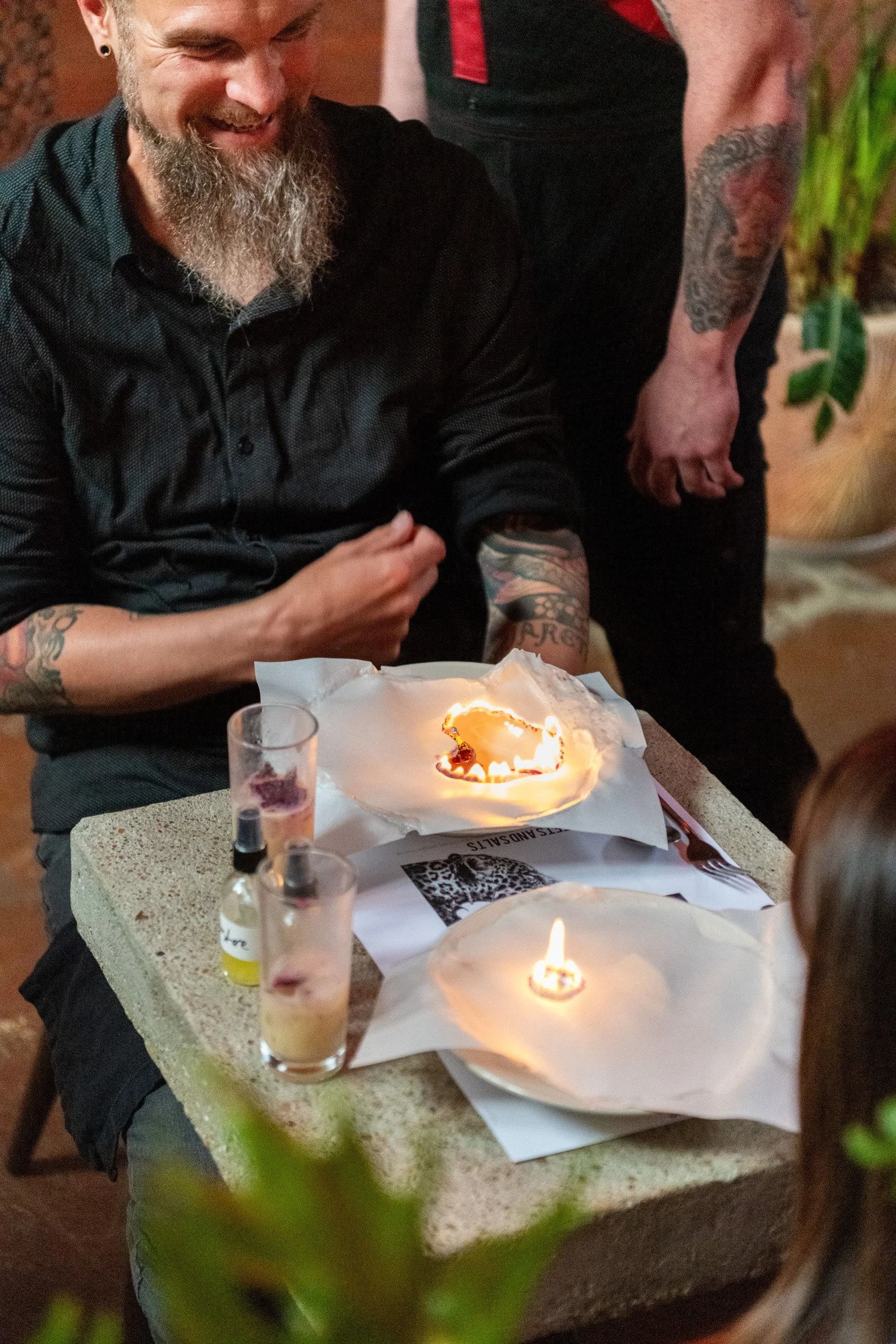
That begins with control where it matters most. Hero frames isolate the food and present it with precision, using consistent decisions around lighting, composition, and background. These images establish a clear standard, allowing each dish to be seen cleanly and without distraction, regardless of the environment in which it was created. They act as anchors, providing stability across a set that would otherwise shift from event to event.
Around those anchors, documentary coverage captures the movement of the night as it unfolds. Preparation, interaction, and service are recorded in real time, without interruption or direction. This carries through both still imagery and motion, where short-form video and reels extend the same approach, capturing pacing, energy, and interaction without breaking the flow of the evening.
The relationship between those two approaches is what holds the work together. Controlled hero frames establish clarity, while responsive documentary coverage carries the variation and energy of each dinner across both formats. That consistency allows individual pieces, whether stills or motion, to stand on their own while contributing to a larger, cohesive body of work.
Clarity Over Time
Consistency at KMRA is not created through repetition. The conditions change every night. The space, lighting, pacing, and menu are all different, and no two dinners are designed to feel the same.
What remains consistent is the approach. Light is handled with intention, key moments are recognized in the same way, and editing decisions follow a clear standard. That discipline in decision-making allows the images to hold together, even as the environment continues to change.
Over time, that continuity becomes the value. The visuals are not a collection of individual dinners documented in isolation, but a connected body of work that reflects the experience as a whole. Each event stands on its own, but it also contributes to something larger that remains clear and cohesive.
In an environment where nothing is repeatable, that consistency becomes the advantage. It allows the experience to evolve without losing clarity in how it is seen, ensuring the work continues to support the brand as it grows.