Bella Derma Medical Aesthetics & Wellness
When a brand promises confidence, the visuals have to carry it
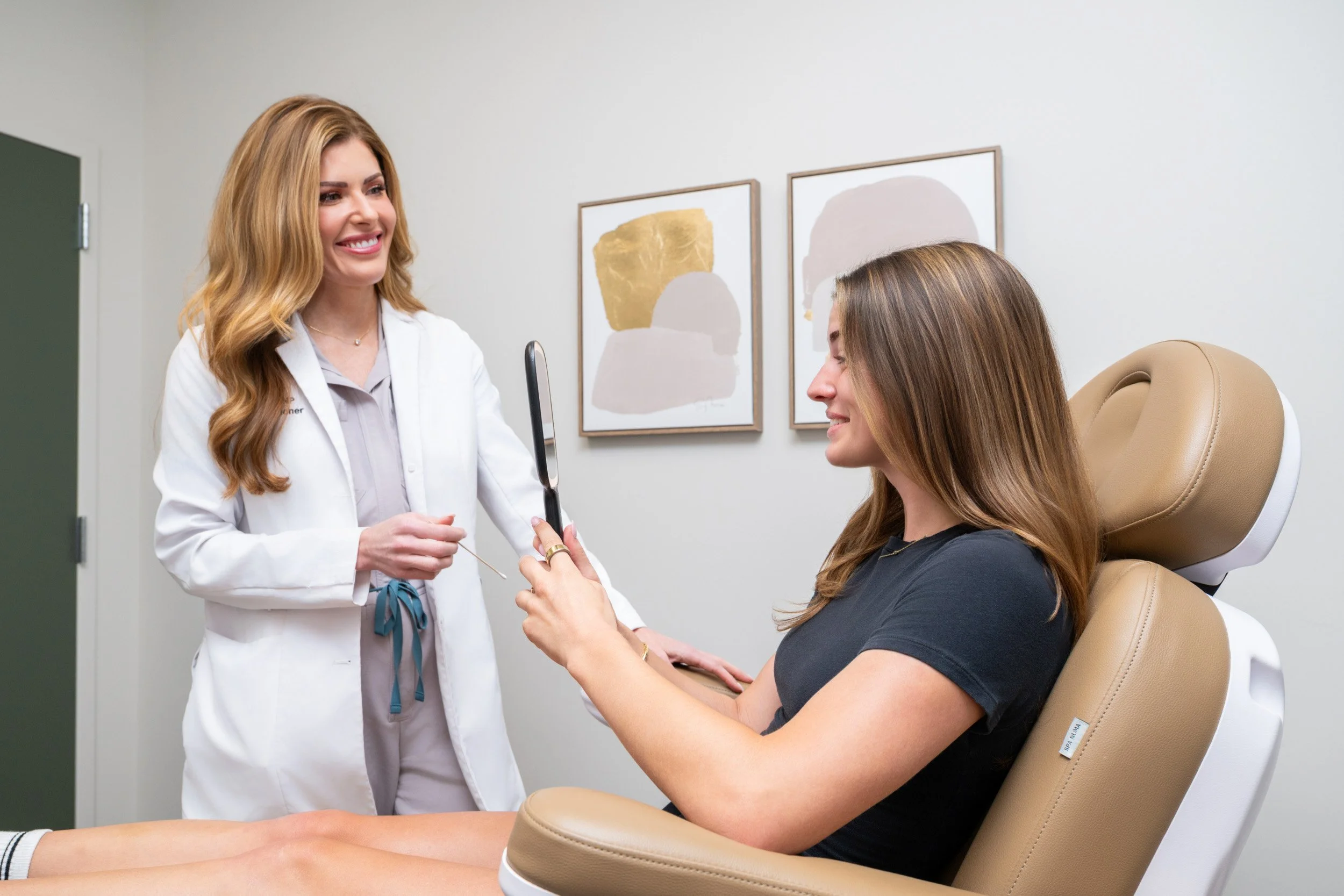
Bella Derma positions itself around confidence, delivered through precision, expertise, and a controlled, considered experience. That standard is not abstract. It has to be visible in every interaction, from consultation to treatment to the way results are presented.
The visuals were not reinforcing that reality.
That gap was already understood internally. Zoë Bridges, Practice Manager at Bella Derma, described it directly. The imagery “didn’t feel bright or professional enough to represent the aesthetic and experience” they were actually delivering . The issue was not a lack of images, but a lack of consistency and alignment. Lighting varied, quality shifted, and the imagery did not function as a cohesive representation of the brand.
In a medical aesthetics practice, this disconnect carries consequences. Bella Derma operates in a space requiring both clinical credibility and a sense of ease. If visuals fail to communicate that balance, hesitation is introduced before a client ever walks through the door. The problem was not content. It was alignment between what the business is and how it is presented.
Working Within the Business
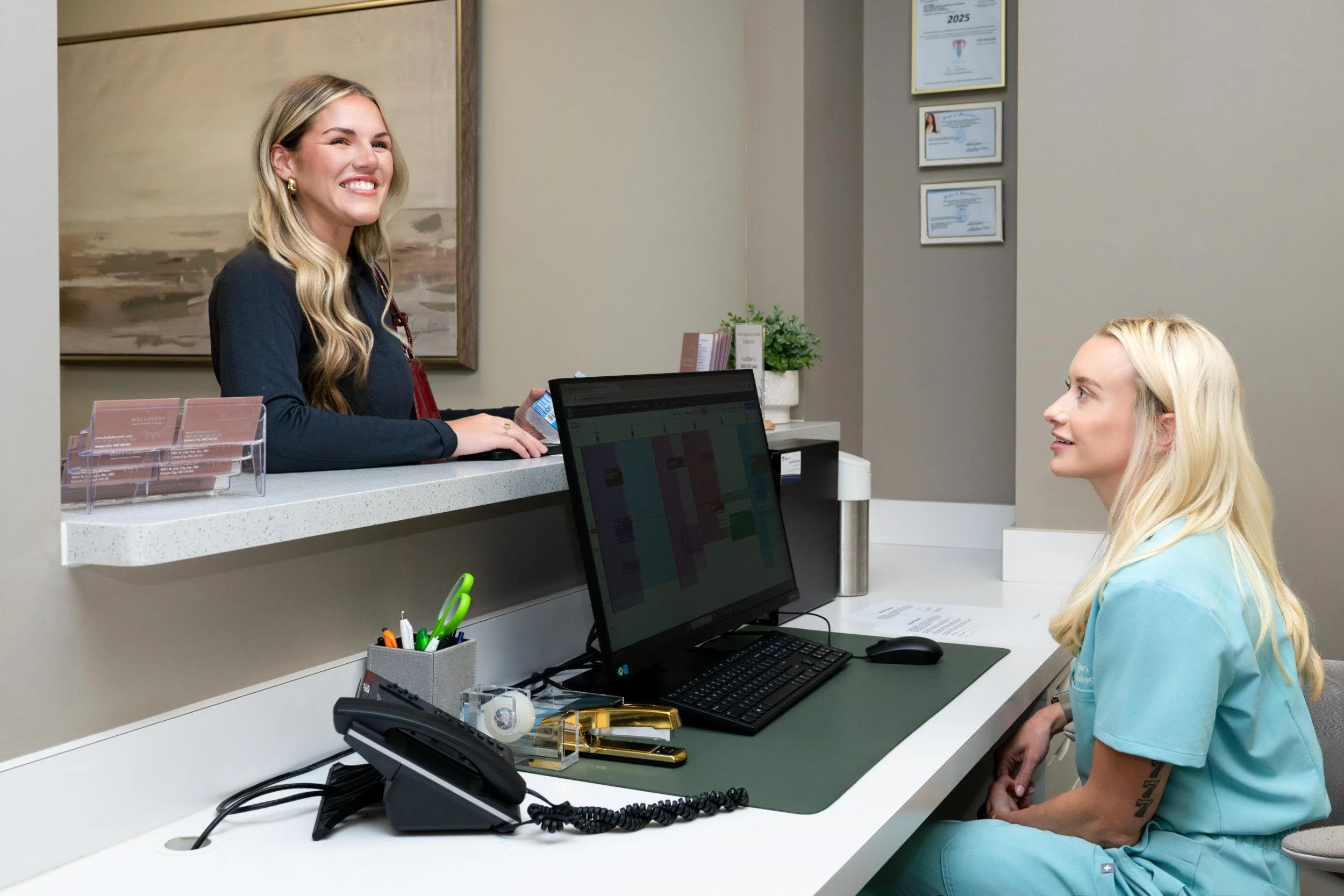
That standard had to hold under real conditions, inside a working clinic where nothing is staged and everything happens in real time. The shoot took place over a full day inside a fully operational practice. Clients were scheduled throughout, services were performed in real time, and the team moved through a normal workflow. Nothing was staged or paused for photography, which meant everything needed to exist within the constraints of the business rather than outside of it.
The scope reflected the full breadth of Bella Derma’s operations. It included individual headshots, team imagery, service documentation, product photography, and environmental images across multiple treatment rooms and shared spaces. Each environment introduced a different set of variables. Overhead lighting created uneven and often unflattering conditions. Natural light varied depending on room orientation and time of day. Color temperature shifted across spaces.
In that setting, inconsistency is the default. Without a deliberate approach, the result becomes a set of images with unreliable color, uneven skin tones, and noticeable variation in quality. In a business centered on aesthetics, inconsistency undermines trust.
At the same time, the environment could not be altered to make things easier. Services were not staged, rooms were not redesigned, and the pace of the day did not slow. Everything had to function within those conditions while still producing a cohesive result.
Defining What Matters
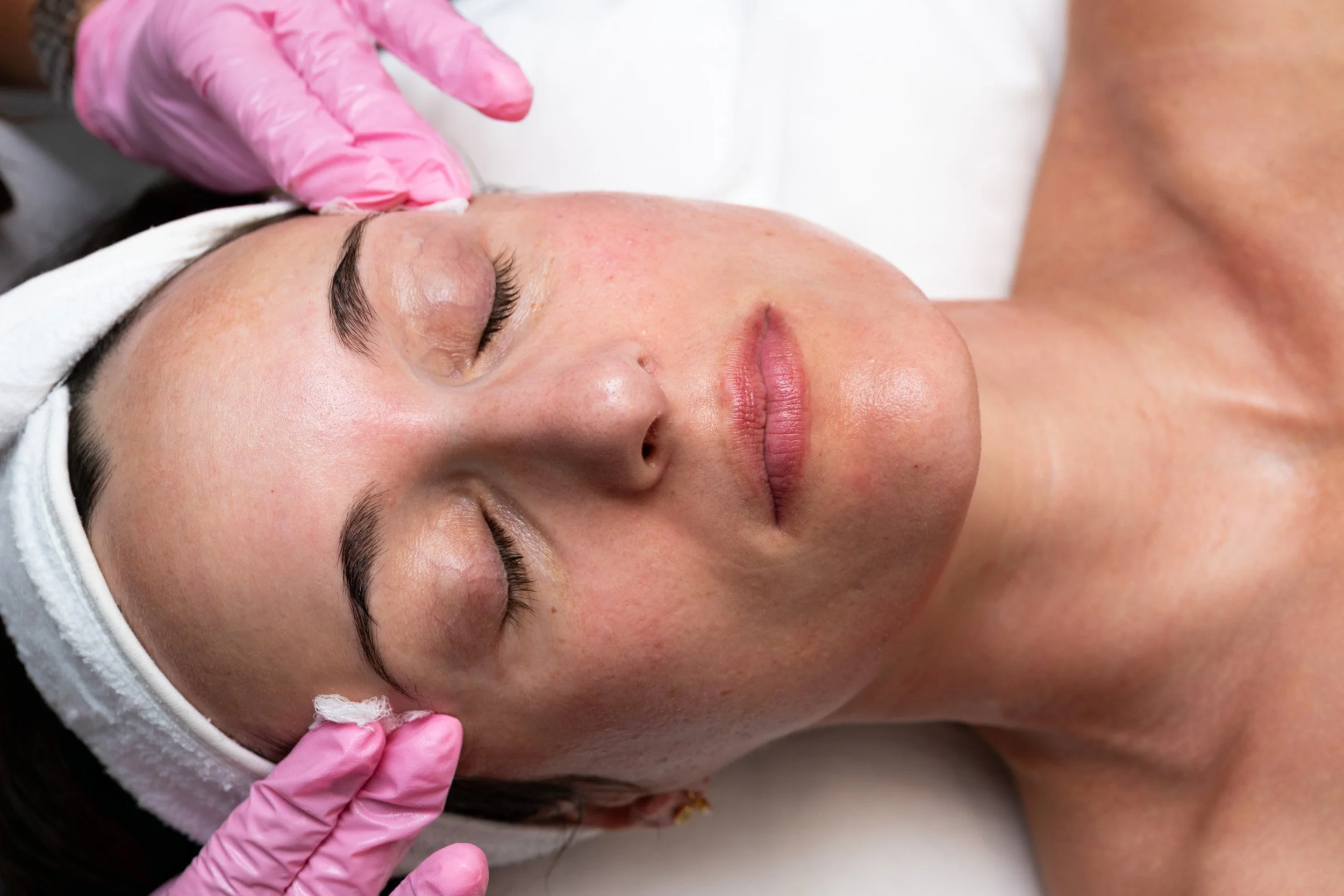
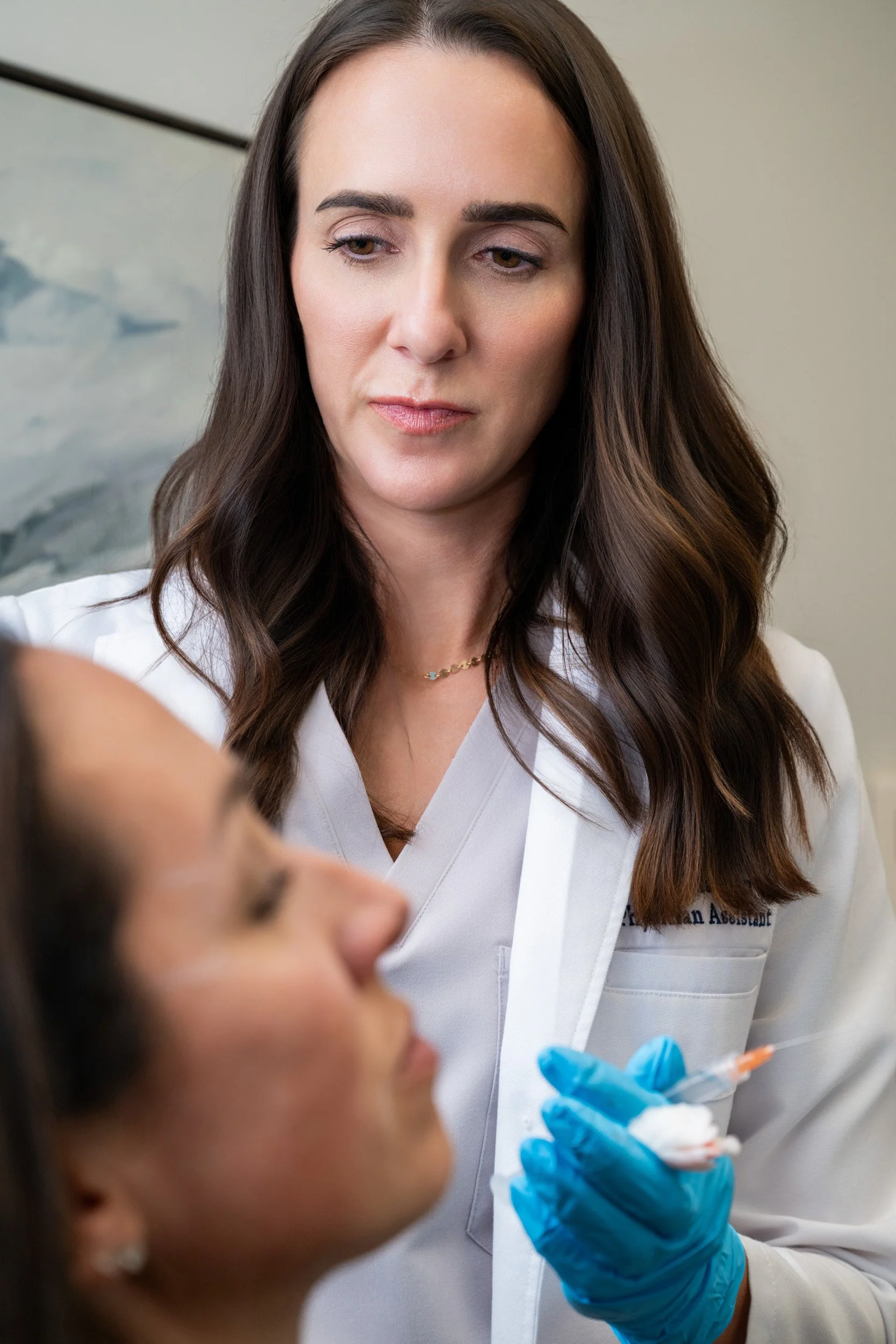
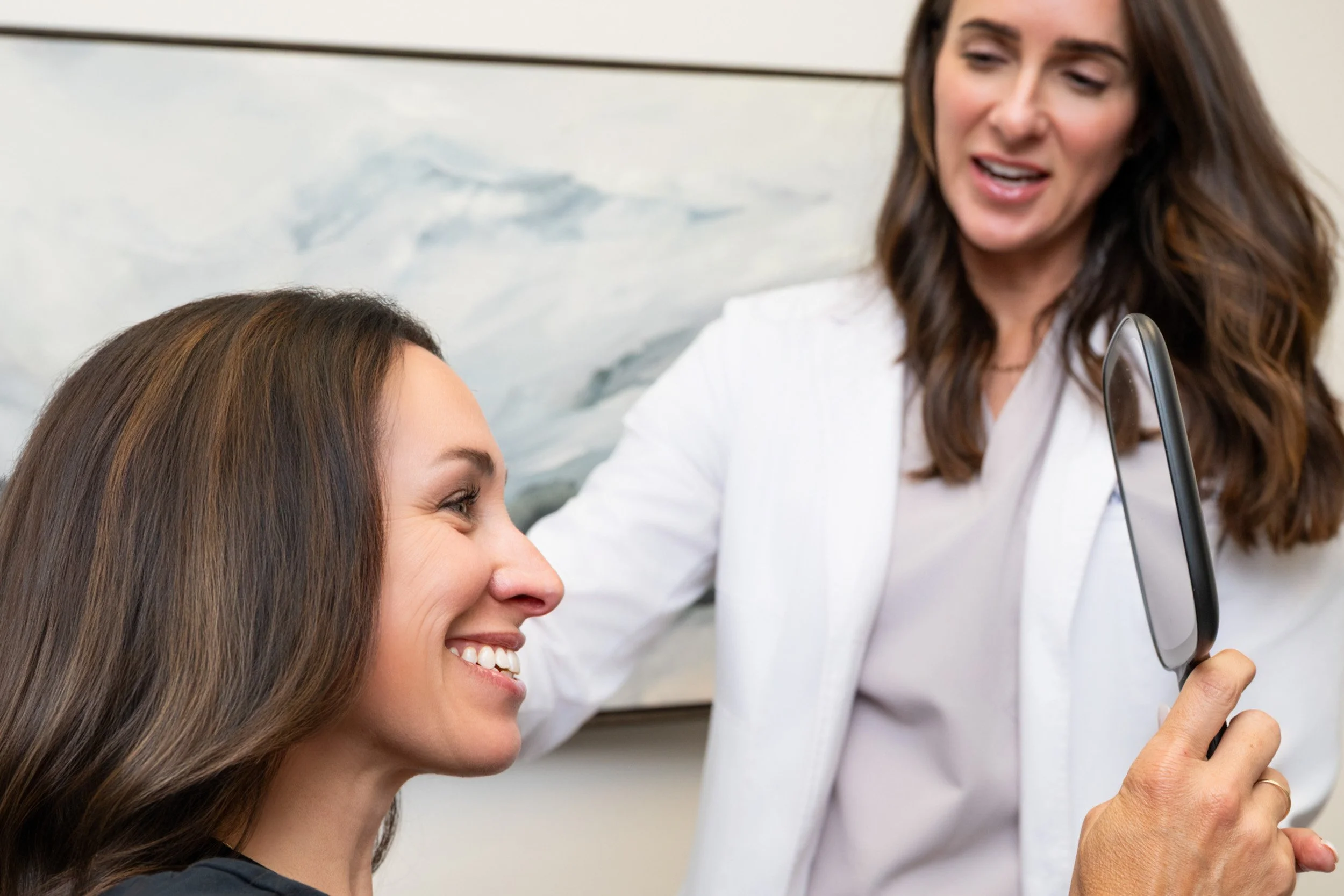
Before the camera came out, the focus was on prioritization and intent. Working with Kelly Baker, owner and founder of Bella Derma, and Zoë Bridges, we identified which services needed emphasis based on both current demand and future direction. This step determines whether imagery supports a business or simply documents it. For Bella Derma that meant prioritizing treatment documentation and provider headshots over environmental imagery, reflecting where the business was directing its growth.
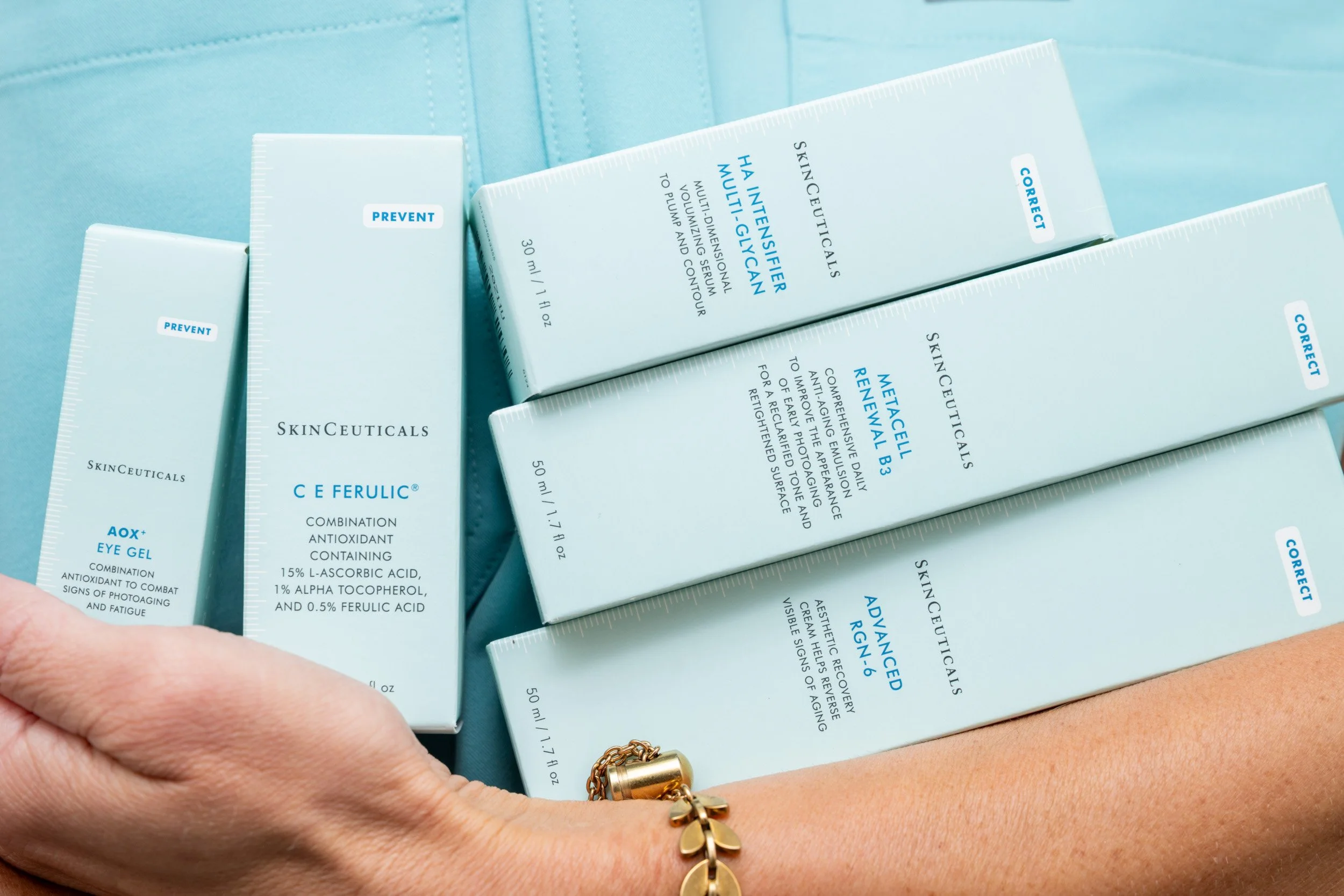
Without clarity, the outcome tends to be volume without direction. Images may be individually strong, but they fail to function together in a meaningful way. Establishing priorities ensured the final set reflects how Bella Derma operates and how it intends to present itself, rather than attempting to cover everything equally.
Execution and Restraint
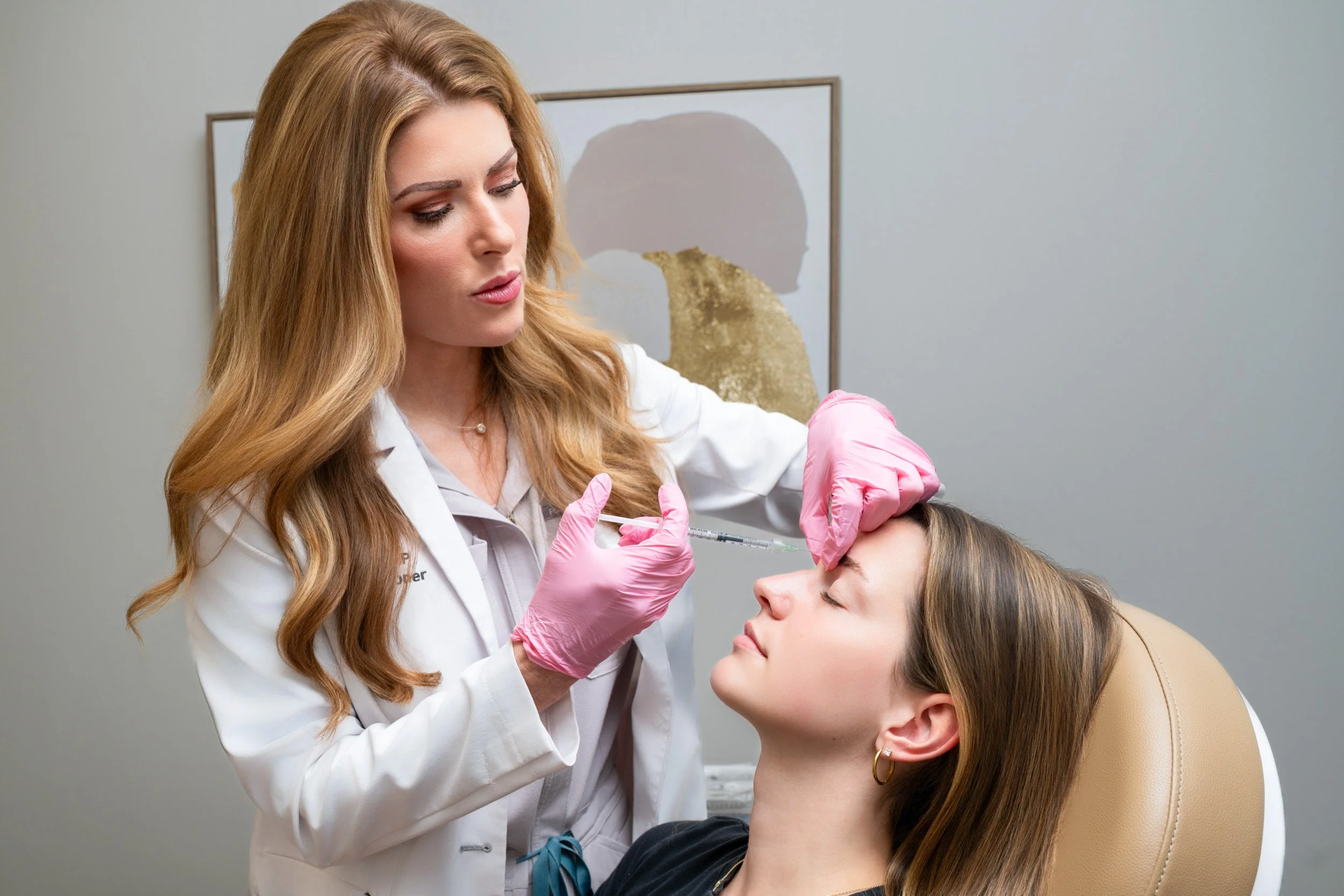
Execution required control without disrupting the environment it was built within. Consistency came from lighting and color decisions that could hold across rooms, times of day, and varying conditions, without removing the reality of the space.
At the same time, the approach to subject matter remained observational. Clients were informed and comfortable, but once services began, direction was minimal. The goal was not to construct an idealized version of the experience, but to document what actually happens. No effort was made to rearrange rooms or stage procedures. The images reflect the environment as it exists.
The pace of the day required decisiveness. Movement between rooms was constant, and time to refine or repeat moments was limited. Each scene needed to be understood quickly, captured with intention, and left behind. This approach allowed the team to continue operating without interruption while still producing a complete and considered set of images. As Zoë noted, the process “moved quickly and naturally, without a lot of downtime,” reinforcing that the production worked with the business rather than against it.
Headshots introduced a different consideration. In a business where appearance is closely tied to professional identity, each team member needed to feel accurately represented. Proofs were reviewed before final edits to ensure alignment while maintaining consistency across the full set.
The shoot also took place alongside Bella Derma’s content creator. Coverage was coordinated so still imagery complemented ongoing marketing efforts. This approach expanded what could be produced in a single day without redundancy or friction.
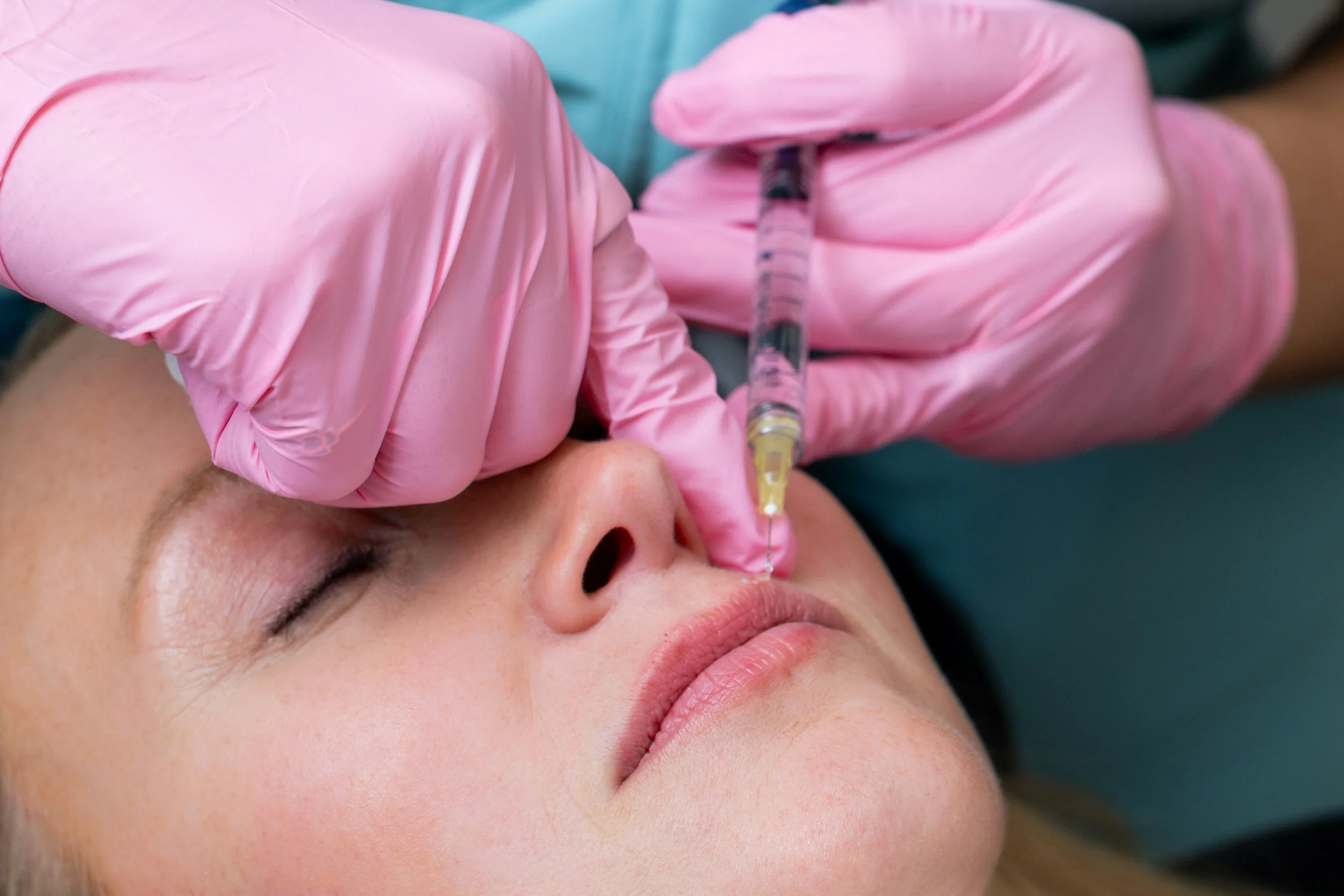
A Cohesive System and Its Effects
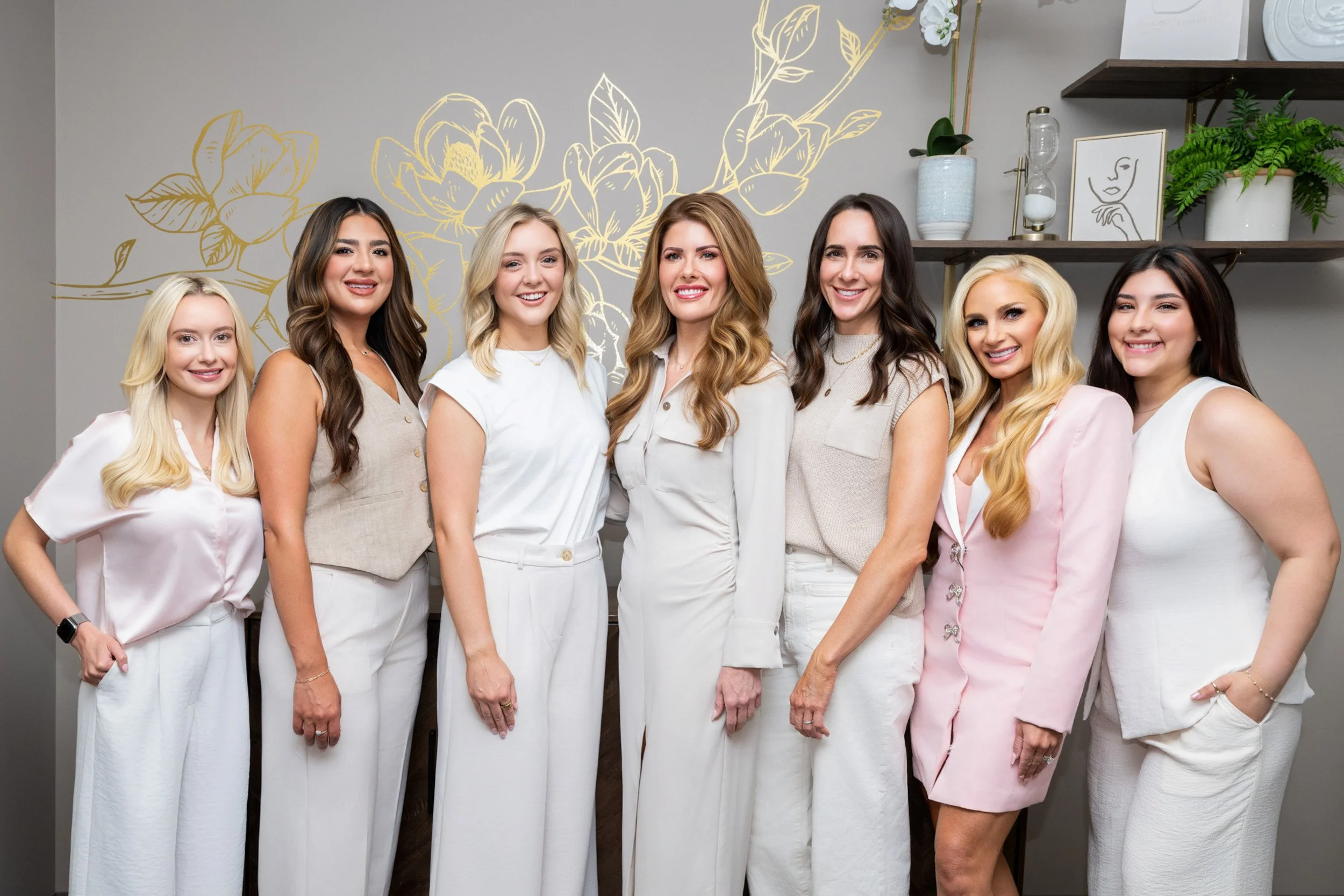
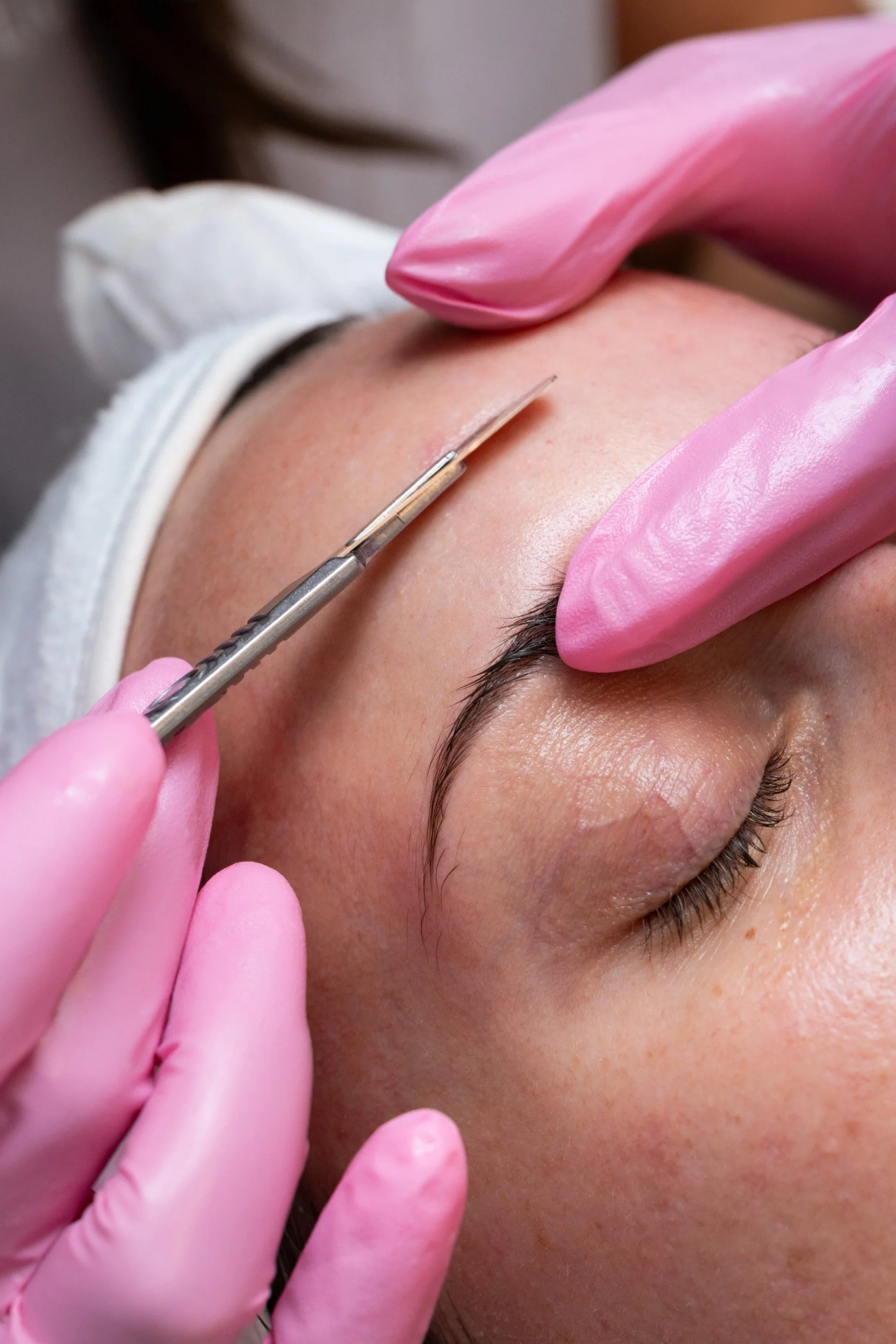
The result was not a collection of isolated images, but a system that reflects how Bella Derma actually operates. Headshots, services, products, and environmental images now function within the same visual framework, without variation in quality or tone between categories.
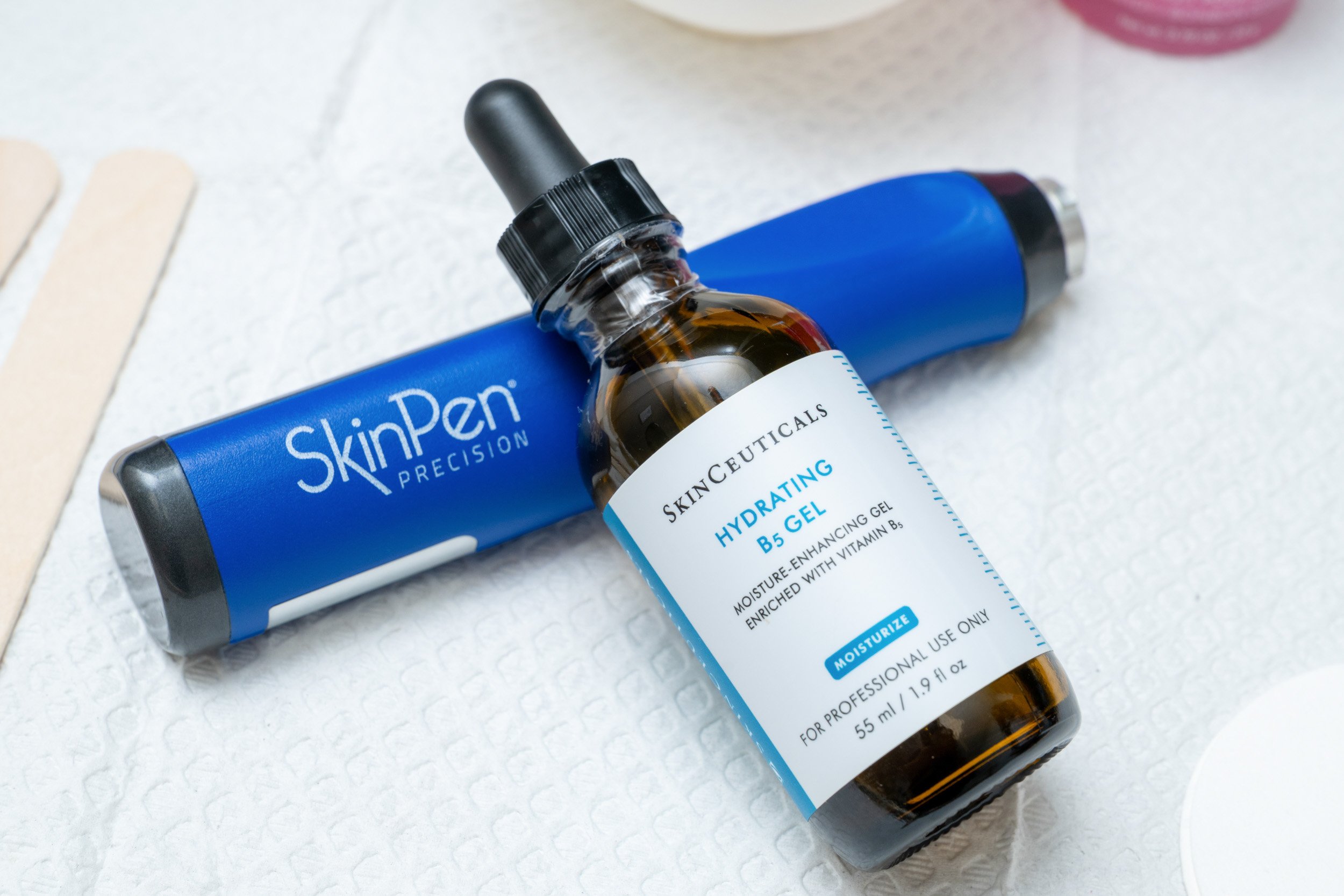
This consistency allows the imagery to be used without hesitation. It integrates across social media, in-office materials, and broader marketing without needing to be reworked or supplemented. Clients encounter the same level of clarity and professionalism at every touchpoint, before they ever step into the space.
Internally, that alignment removes friction. The team no longer has to question whether the visuals represent their work accurately. The imagery supports the business instead of lagging behind it.
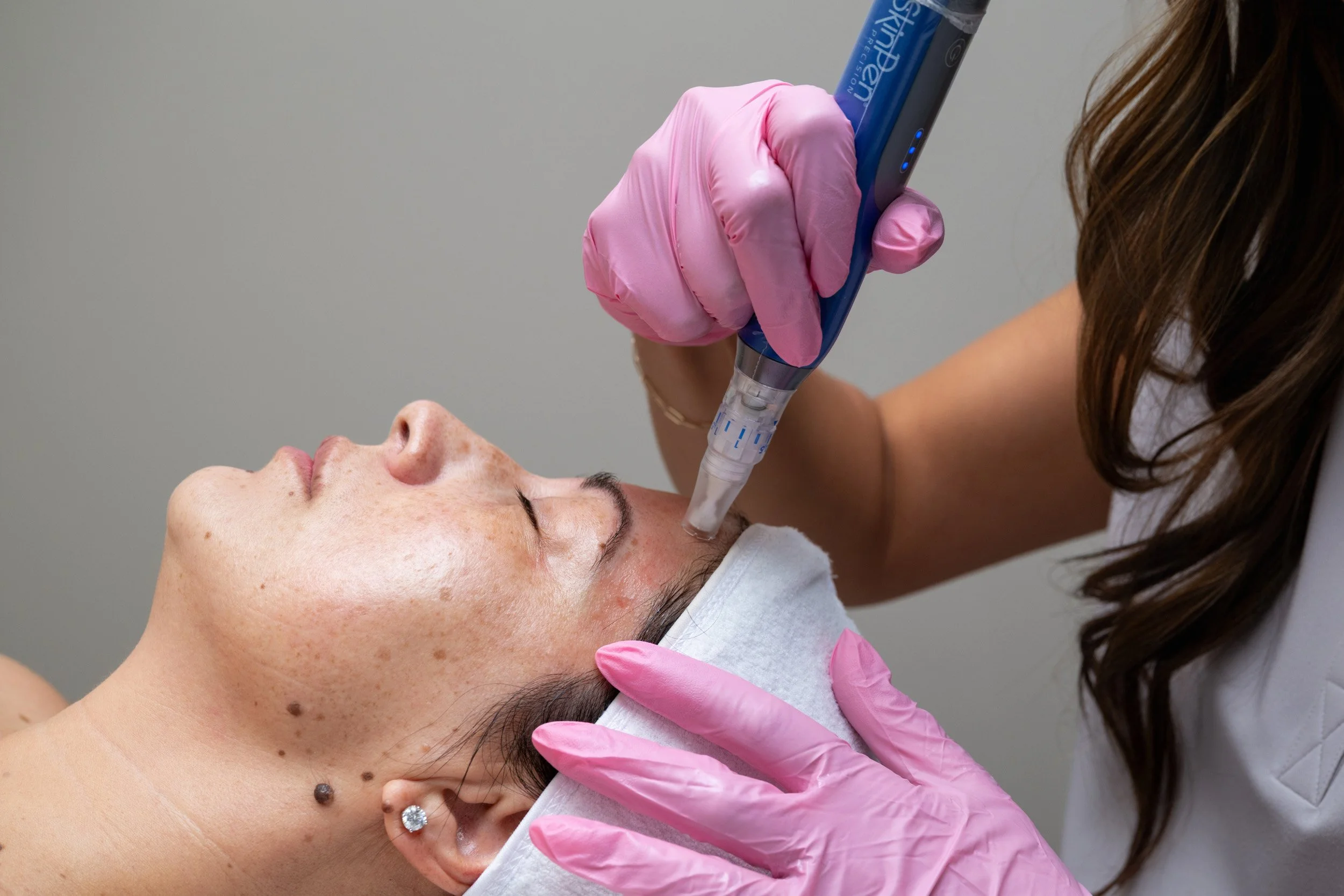
This is the difference between strong individual images and a system that holds together under real conditions. One captures moments. The other reinforces how a business is understood.